Unmanned, versatile, and increasingly autonomous: Drones are becoming more important in many areas—from industry to defense.
A brief guide: Drones
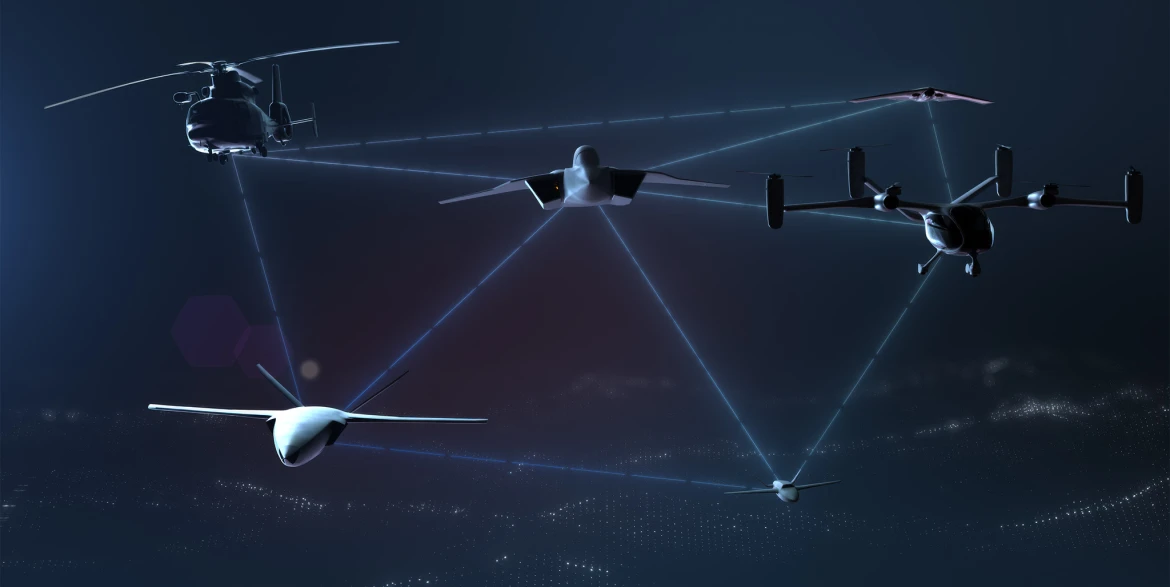
Drones are no longer a niche topic. The aviation industry is increasingly turning its attention to these autonomous and high-precision systems, which range from small-scale commercial applications to military platforms, guided missiles, and “loyal wingmen”. At the same time, the market is growing, new providers are appearing—and the technology is developing rapidly.
What are drones?
“Drone” is the name commonly given to unmanned aerial vehicles, or UAVs. Instead of having a pilot on board, these aircraft are either controlled remotely or, increasingly, fly autonomously along predefined missions. From a technical point of view, drones are always a complete system: Sensors record data, software evaluates it and controls the system—with the type of propulsion ultimately determining performance.
Why are drones becoming increasingly important?
Drones supplement traditional aviation applications and expand their possibilities. In industry, drones can fly inspection missions on hard-to-reach facilities or on the outer shell of commercial aircraft; in agriculture, they can collect data on, for instance, fields and yields; and in emergency management, they provide images of the situation from the air. At the same time, they take on tasks in the military sector ranging from reconnaissance to complex effects systems.
The great strength of drones is that they can operate in conditions that would be difficult, expensive, or risky for manned systems.
What role does the propulsion system play?
The propulsion system is a pivotal component of every drone because it determines the range, speed, and mission profile. At the same time, it has different requirements than conventional aircraft engines. The development cycles are significantly shorter, the quantities higher, the mission profiles different: A propulsion system not only needs to be available as quickly as possible, but it must also be as reliable and cost-efficient as possible—often for comparatively short deployment times, from a few missions to several hundred flights.
Different technologies are used depending on the application:
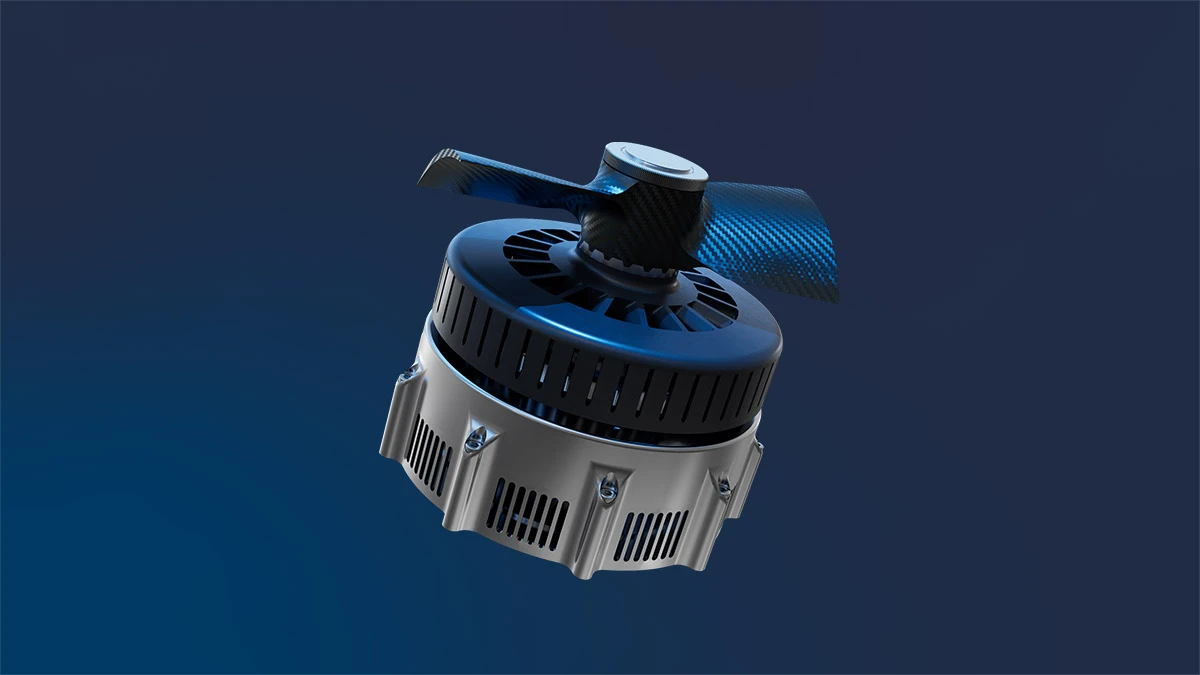
- Electric propulsion systems for smaller drones or specialized applications
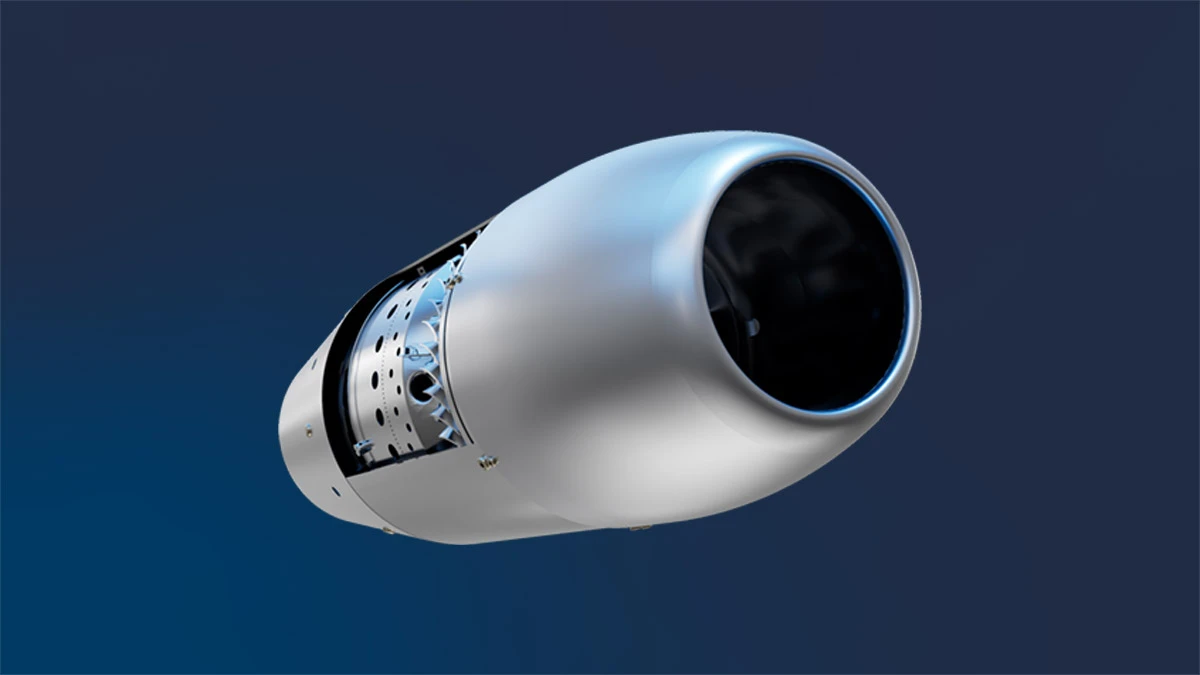
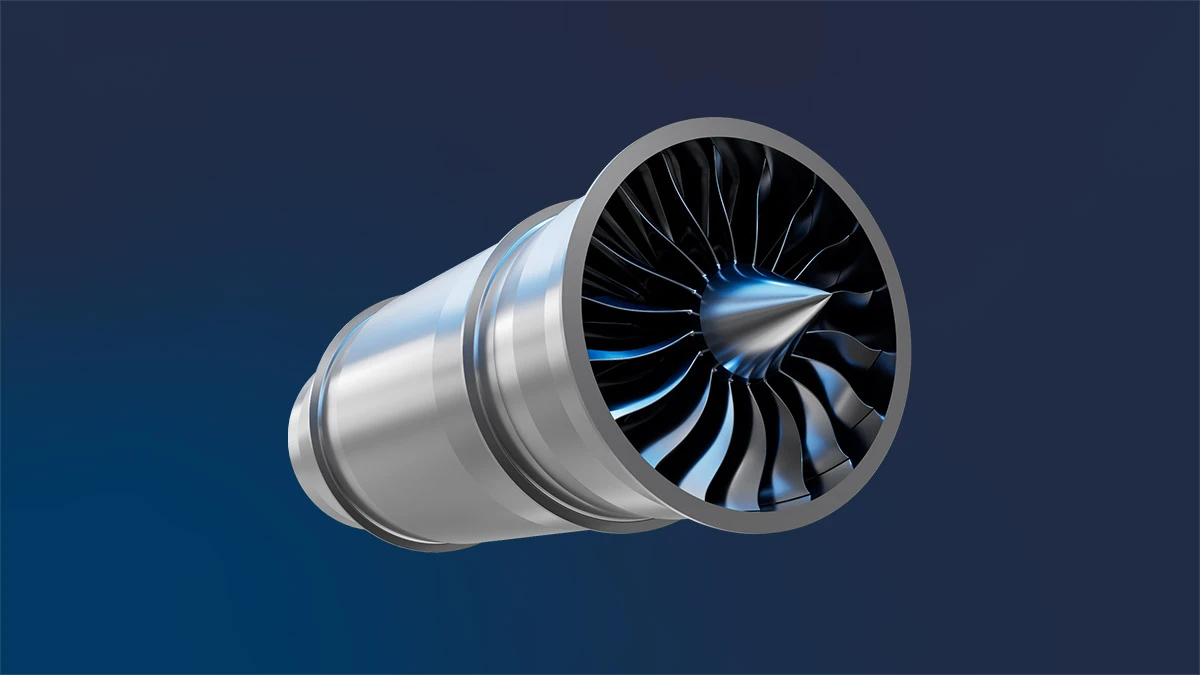
- Turbines and turbojets for higher speeds, greater ranges, and military operations
What propulsion systems do drones use?
Where does Europe stand in the drone market?
The drone market is growing rapidly worldwide, and now covers a wide range of applications and platforms. More and more drone solutions and providers are emerging in Europe, too.
However, there is one challenge when it comes to the core technologies, and the propulsion systems in particular: While multiple platforms and applications are available, so far there is no broad European propulsion base for unmanned systems. This is precisely where MTU comes in: With the integration of AeroDesignWorks, the company is expanding its portfolio to include compact turbojet engines for light drones. At the same time, its subsidiary eMoSys specializes in electric propulsion solutions. In the future, larger unmanned systems with conventional engine technologies will also be addressed.
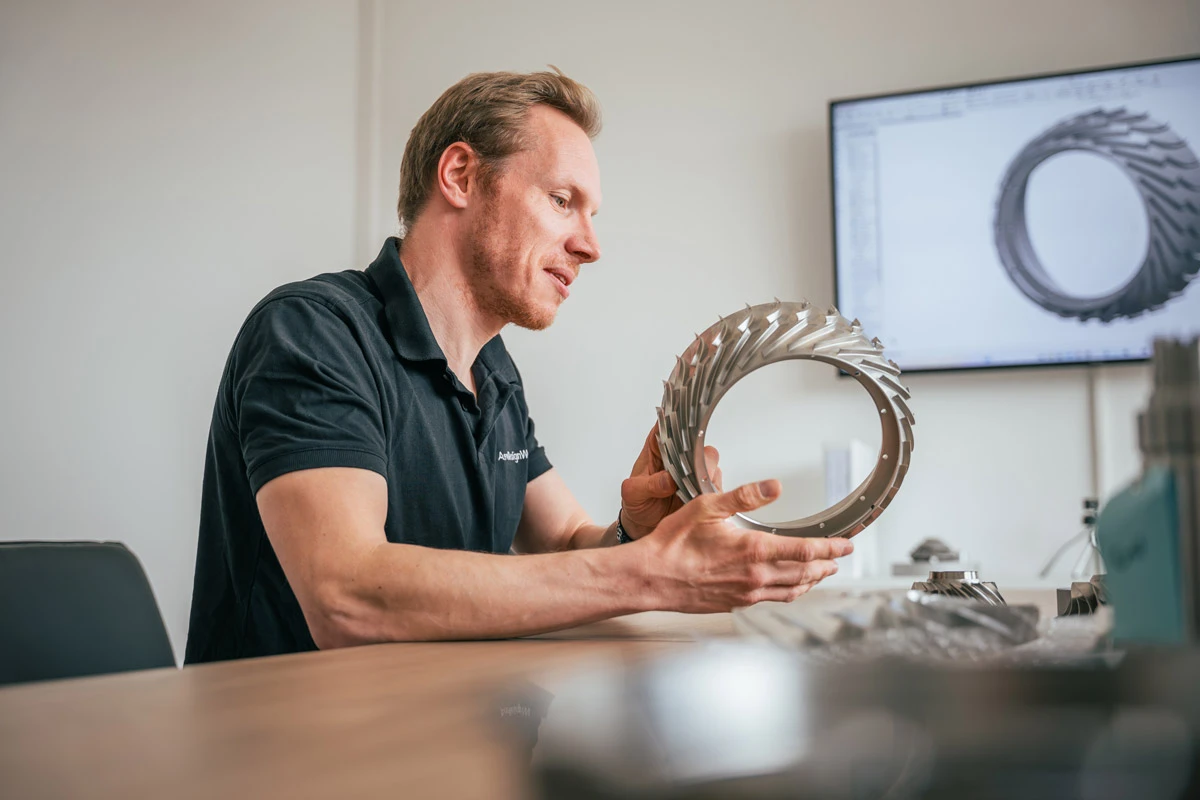

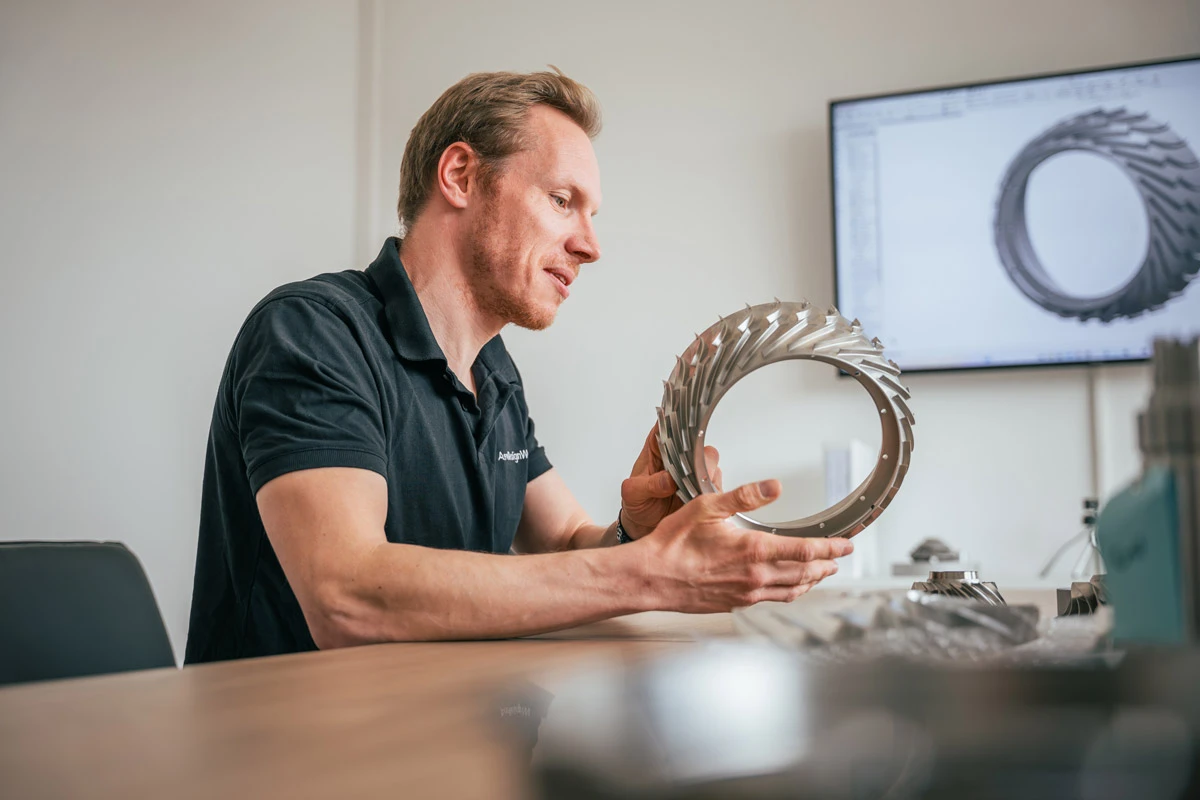
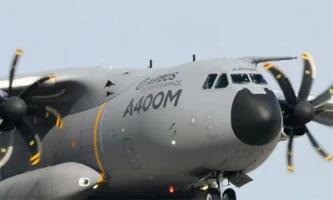
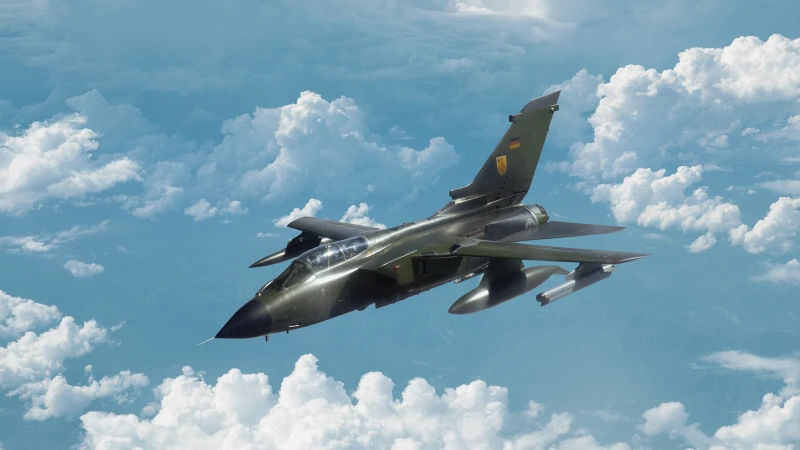
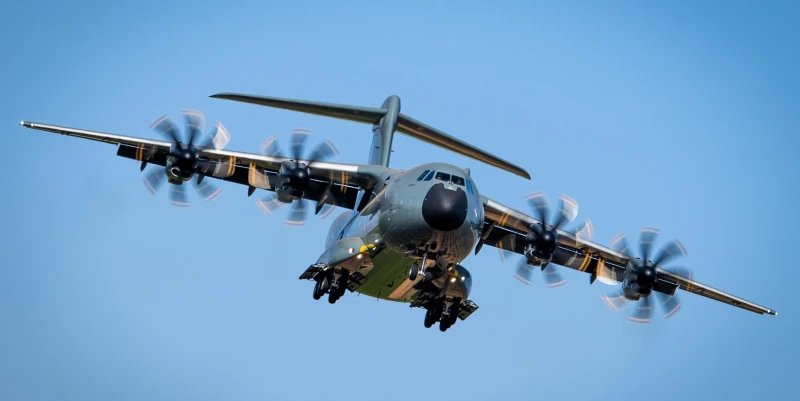
In addition to engines for the Eurofighter Typhoon, the Airbus A400M, the Panavia Tornado, and the Tiger helicopter, MTU’s range of expertise now also includes drone propulsion systems. Its new subsidiary AeroDesignWorks has experience in the UAV sector and is already manufacturing propulsion systems for drones on a large scale.