The Bundeswehr has turned 70, and its partnership with MTU goes back almost as far: Since the first Starfighter engines, MTU has been an integral part of German Air Force history.
MTU partner Bundeswehr celebrates its 70th anniversary
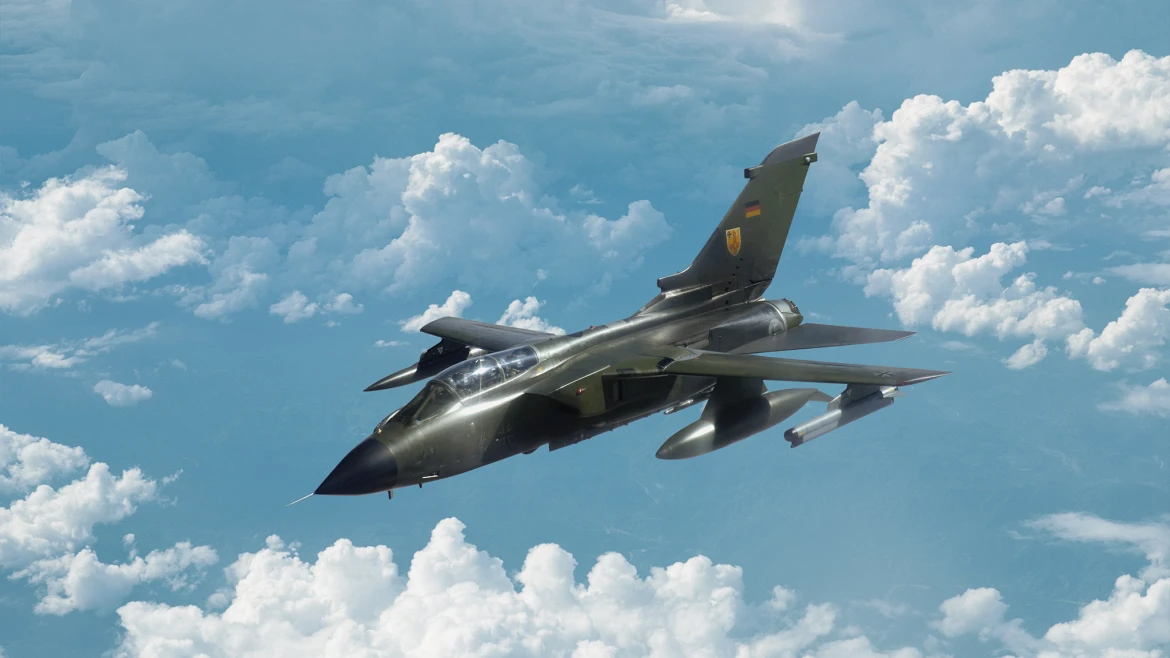
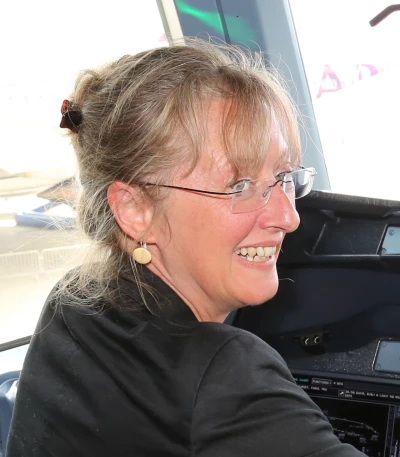
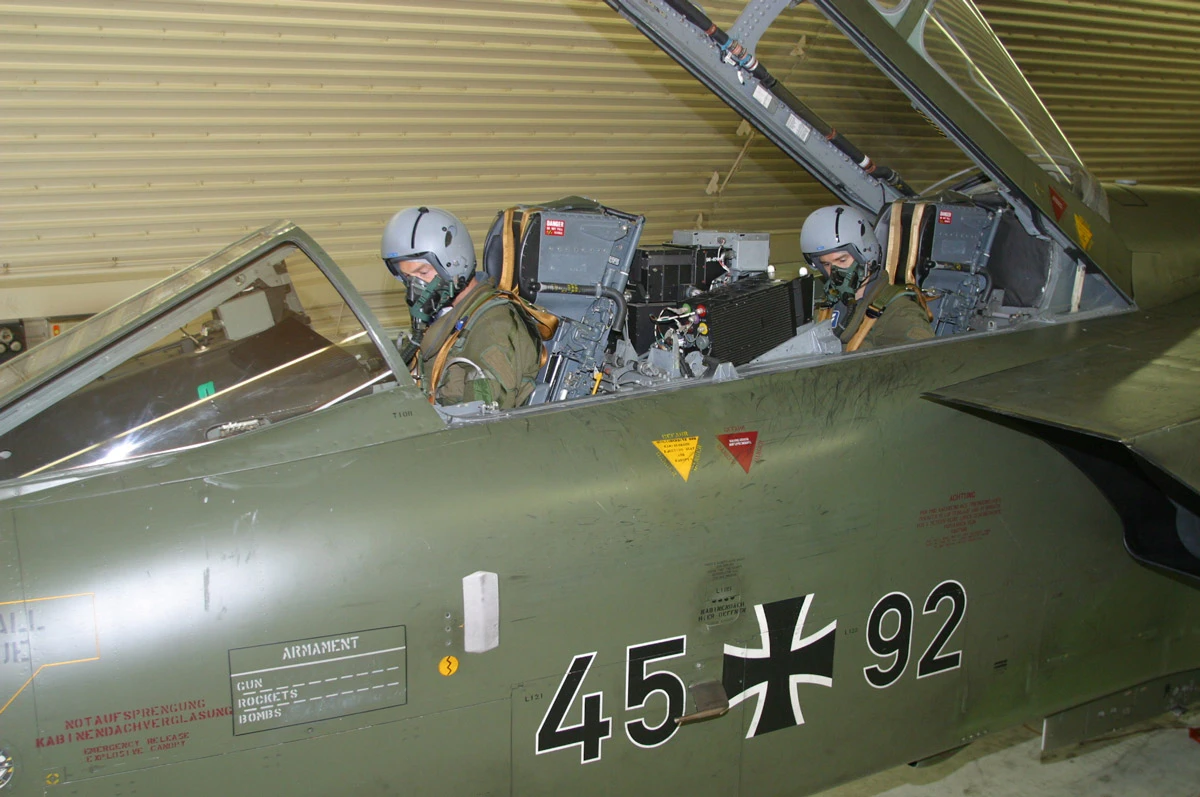
Piloting the Tornado is like getting a plank to fly—especially at low altitudes. That’s something Gernot Sell remembers very clearly. Until 2011, the cockpit of this multi-role combat aircraft was his second home; he last flew it at the German Air Force Flying Training Center at Holloman Air Force Base in New Mexico, U.S. The 55-year-old served in the Bundeswehr for more than 20 years. Already fascinated by flying as a child, he applied for an aviation career in the German Armed Forces straight after leaving school. “In the pilot selection process, however, I was quite nervous during my first solo flight, so I ended up as ‘just’ a weapon systems officer (WSO) in the rear cockpit of the Tornado,” he recalls. But his undergraduate navigator training with the U.S. Air Force in California made clear to him how crucial every crew member is to the success of tactical missions.
“Zwock” and “Gary”, like “Maverick” and “Goose”
Sell’s call sign was “Gary.” After his training, he served together with a pilot called “Zwock” from 1999 to 2008 in the 2nd Flying Squadron of the Boelcke Fighter-Bomber Wing—now Tactical Air Force Wing 31—in Nörvenich, Germany. “He was Maverick and I was Goose—movie fans will know what I mean,” he says, alluding to the film Top Gun, which made a lasting impression on him as a teenager. “We spent many hours together in the cockpit,” Sell recalls, thinking back to what a typical day up in the air was like: “When practicing air combat maneuvers in the Tornado, we often reached approach speeds of over 30 kilometers per minute.” One of the WSO’s tasks during these maneuvers is to detect approaching enemy aircraft in time—either by radar or visually—so the pilot can take evasive action. “During extremely low-altitude missions, such as during our commando time in Goose Bay, Labrador, Canada, we sometimes flew at more than 830 km/h at only about 30 meters above the ground—the landscape literally whizzes by and obstacles appear at lightning speed,” Sell says. “In those situations, it was essential for the pilot to recognize a dot on the horizon early on, as this could develop from a tiny speck into an obstacle in a fraction of a second. And as a weapon systems officer in the rear cockpit, you had to have confidence in the pilot’s abilities, as you had only a limited view directly ahead.”
“Gary” joined MTU in 2016 and is now Managing Director of MTU Maintenance Fort Worth in Texas; “Zwock” works just an hour and a half away by car at Sheppard Air Force Base in Wichita Falls, where he’s a flight instructor in the Euro NATO Jet Pilot Training Program (ENJJPT). The two have taken different paths professionally, but their camaraderie remains. A number of MTU employees can tell similar stories. Many of them have personal as well as professional ties to the German Armed Forces, an MTU partner celebrating its 70th anniversary this year.
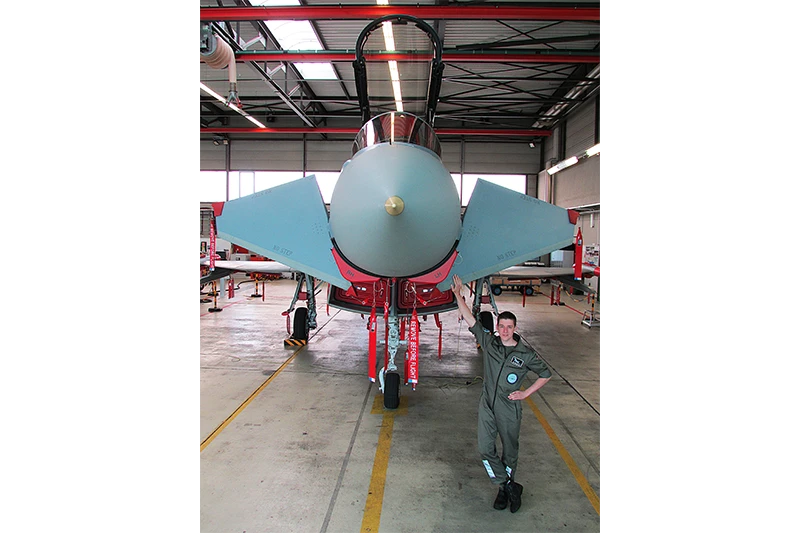
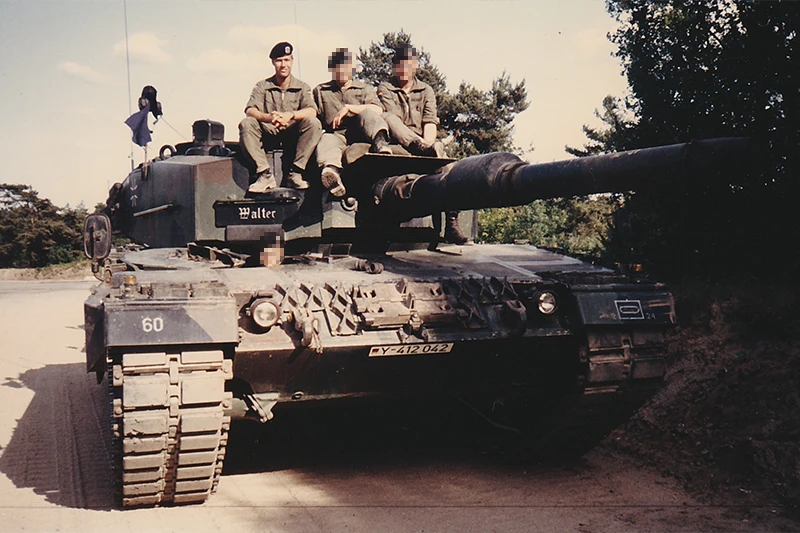
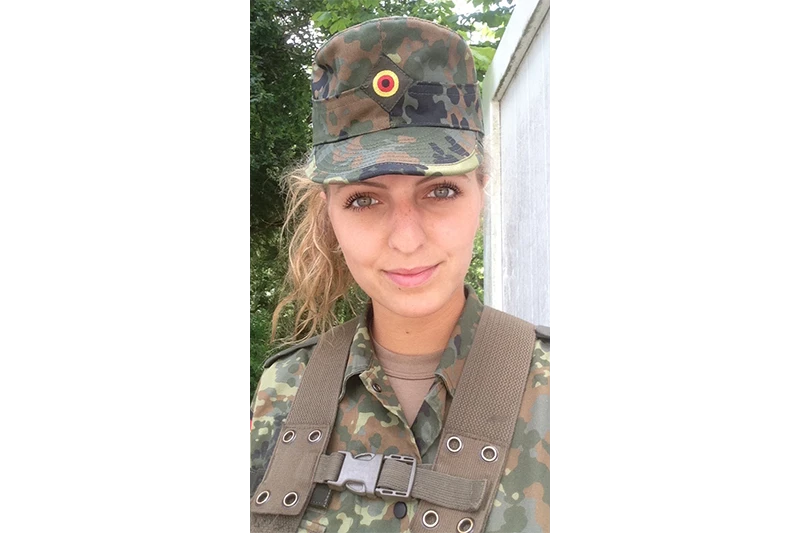
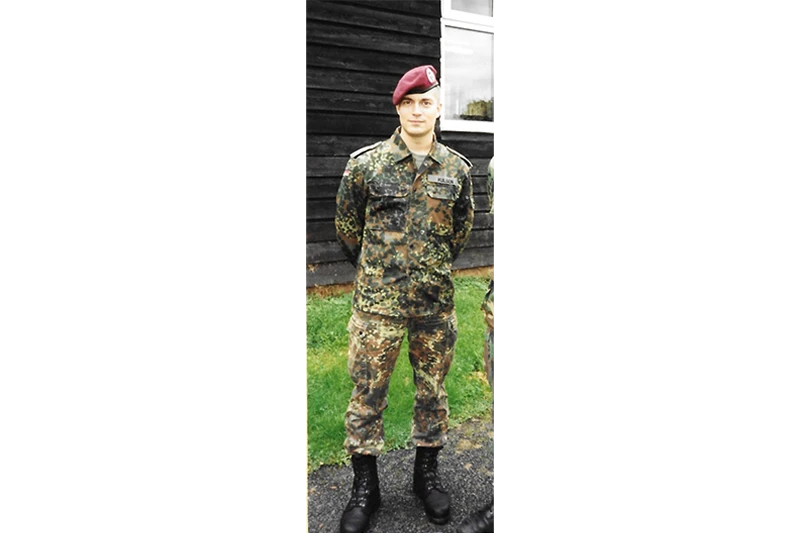
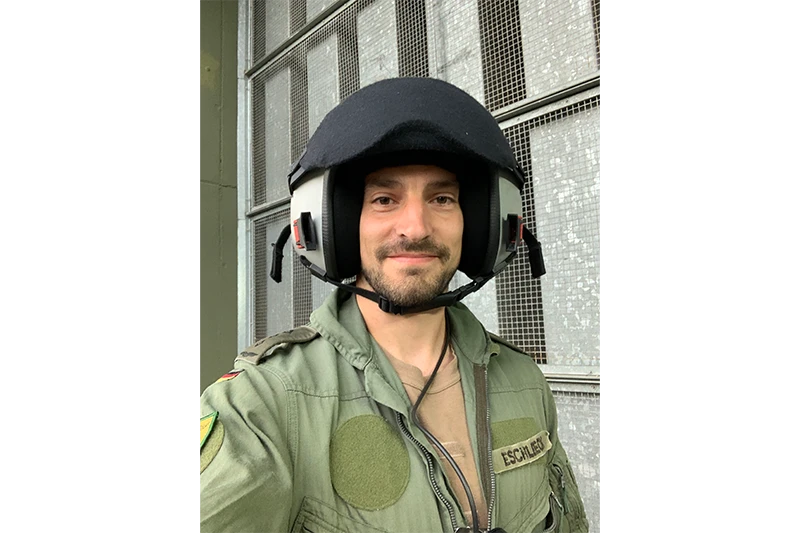
Six people who now work at MTU talk about their time in the Bundeswehr:
Takeoff with the Starfighter
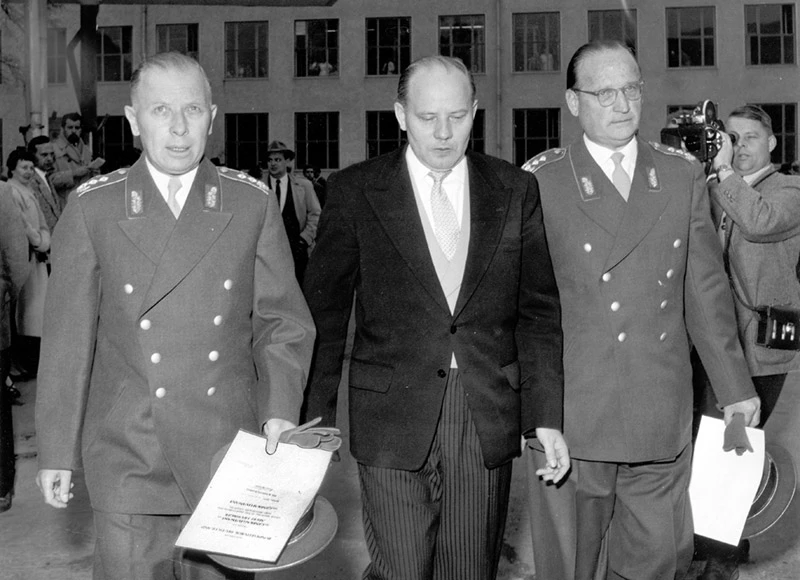
On November 12, 1955, the first 101 volunteers of the newly founded armed forces of the Federal Republic of Germany were sworn in at the Ermekeil barracks in Bonn. On April 1, 1956, the defense force was given the name “Bundeswehr.” It differed from the former Wehrmacht primarily through the much-cited concept of “Innere Führung,” or “Leadership Development and Civic Education”: “The ‘citizens in uniform’ are bound by their conscience and act on their own responsibility,” according to the German Federal Ministry of Defence, which had been founded shortly before.
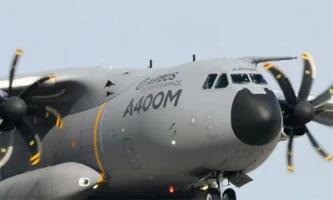
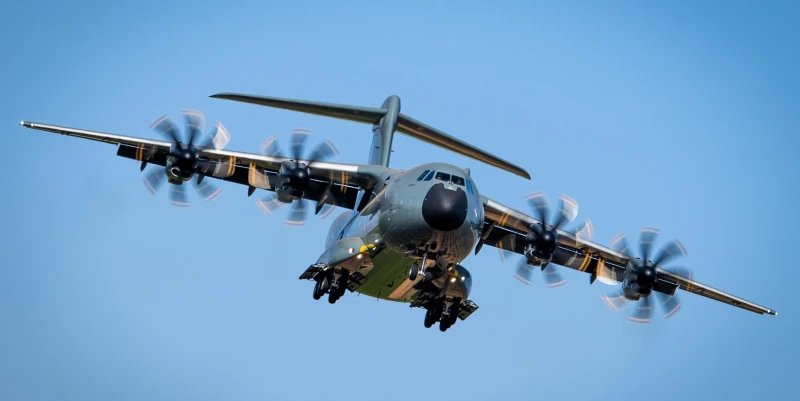
Almost from the very beginning, today’s MTU Aero Engines and its predecessor companies were close partners of the German Armed Forces, especially the Air Force. This partnership began in 1959 with an initial contract for the maintenance of J79 engines for the Lockheed F-104G, the German version of the Starfighter, which the Bundeswehr concluded with BMW Triebwerkbau GmbH. Starting in 1960, MTU’s predecessor company in Munich built more than 600 J79 engines under license for the Starfighter and later the Phantom II. A more advanced version even had “MTU” in its name: The J79-MTU-J1K, with improvements to the combustor and afterburner, entered into service in 1971. MTU maintained J79 engines for the Luftwaffe until the early 2000s. The RB199 for the Tornado, the MTR390 for the Tiger combat helicopter, the EJ200 for the Eurofighter Typhoon, and the TP400-D6 for the A400M military transporter are just the most outstanding examples of further collaboration between the two partners.
Milestones:

©Bundespresseamt
©Bundespresseamt
©Bundespresseamt
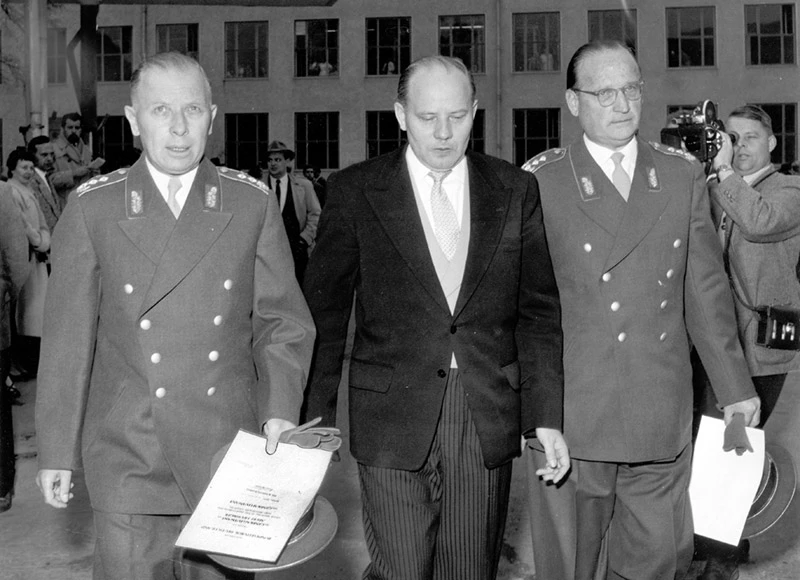
1955: The German Armed Forces are formed. The first soldiers are sworn in and the need for modern aircraft arises.
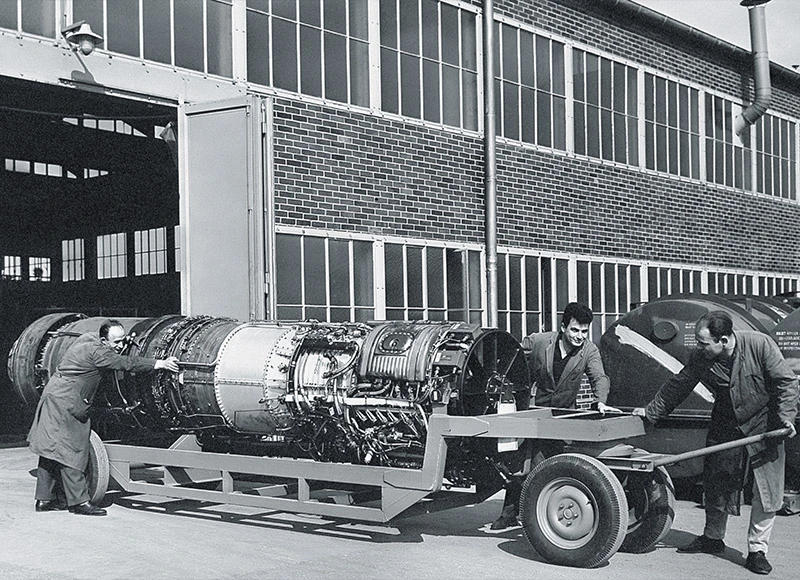
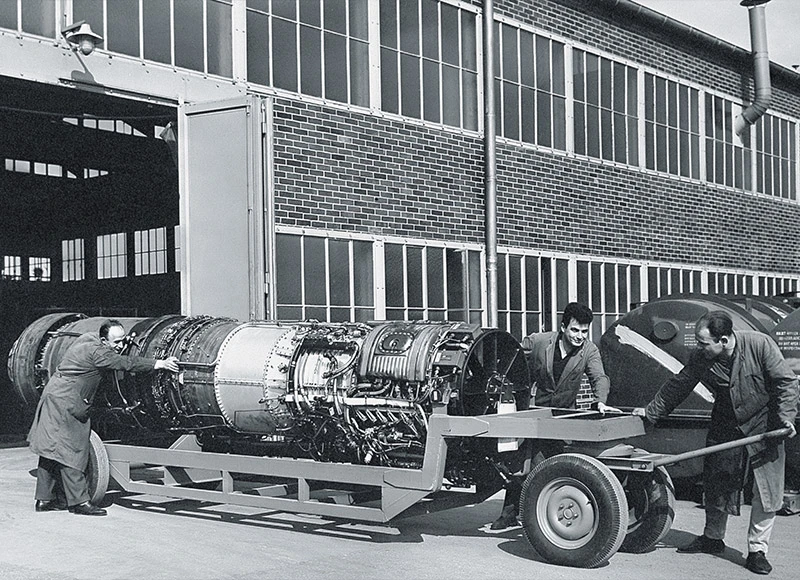
1959: MTU predecessor BMW is awarded the contract to reproduce the J79 jet engine for the Lockheed F-104G.
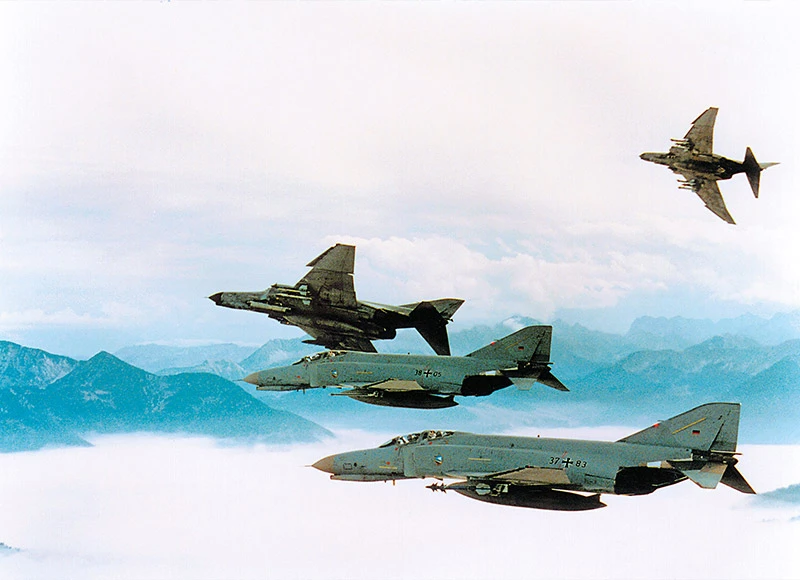
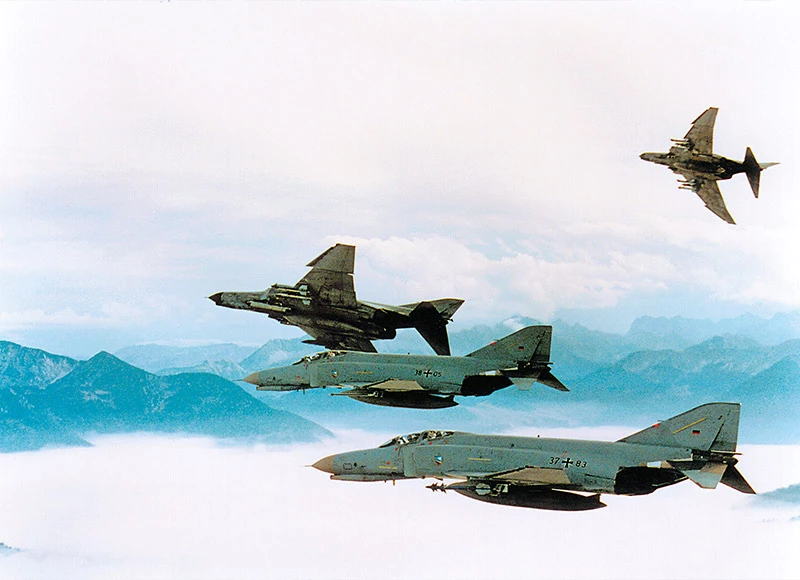
1975: The German Air Force puts the Phantom II into service—with J79 engines manufactured in Munich.
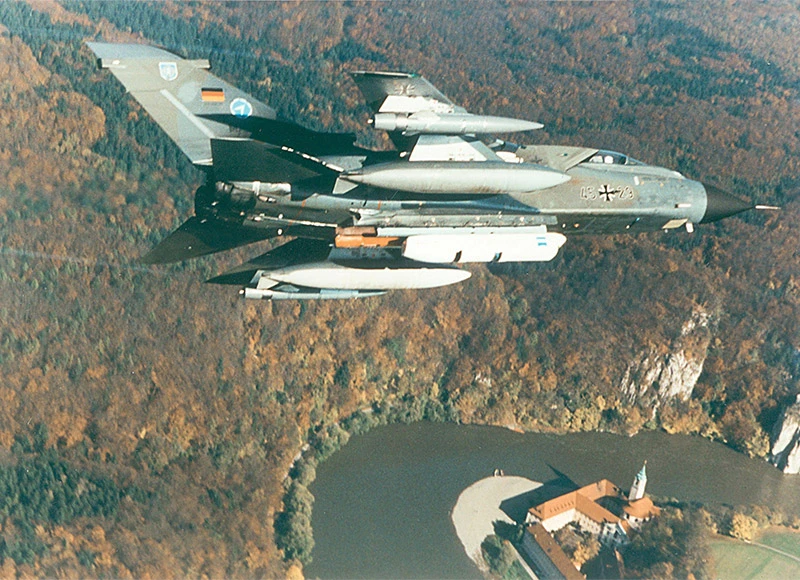
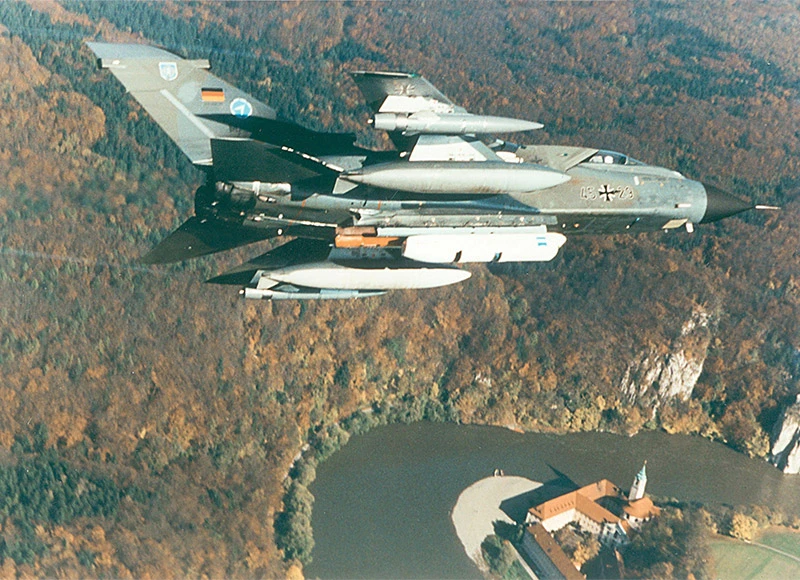
1979: The PA-200 Tornado multi-role combat aircraft takes off with RB199 engines, which were developed by MTU, Avio Aero, and Rolls-Royce.
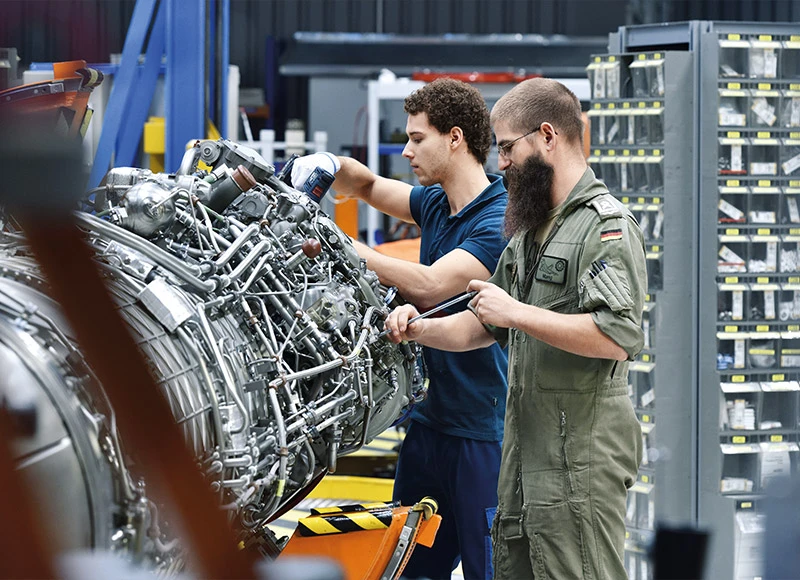
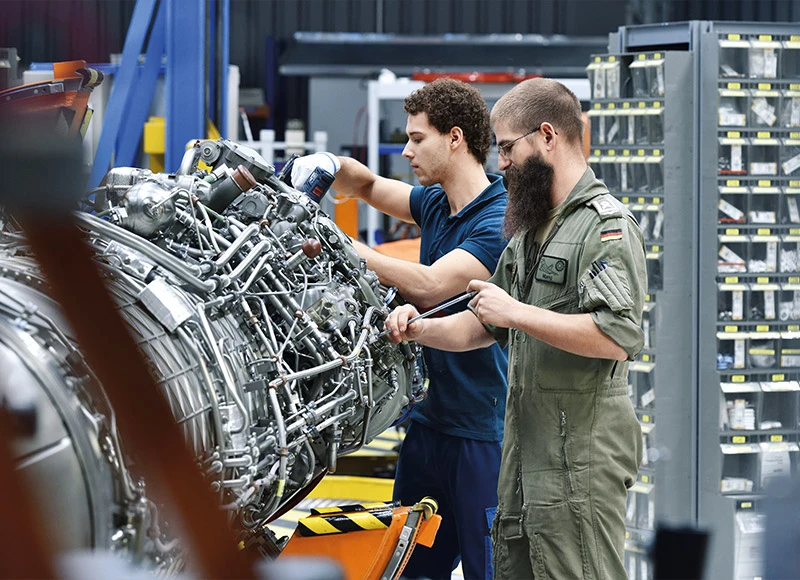
2002: A unique cooperation model is launched in which MTU employees work together with Bundeswehr technicians.
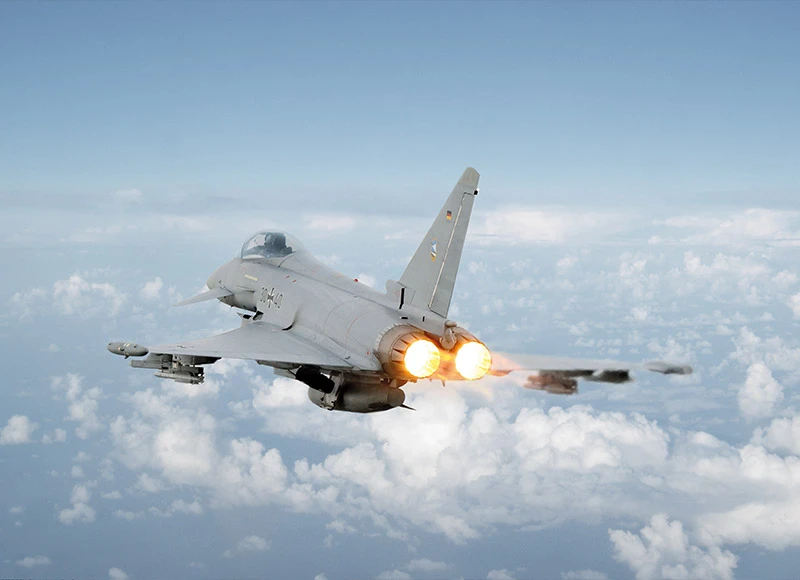
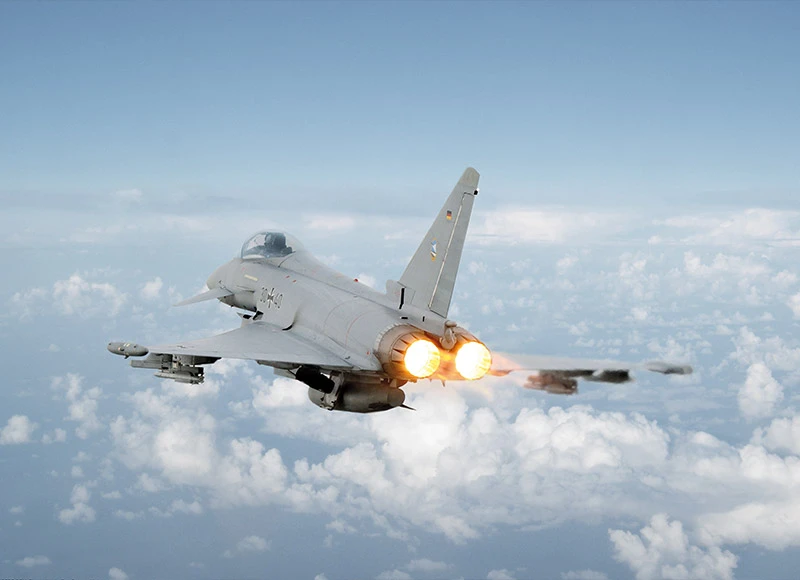
2003: The Eurofighter Typhoon enters service. MTU has a share in the Eurojet consortium for the aircraft’s EJ200 engines.
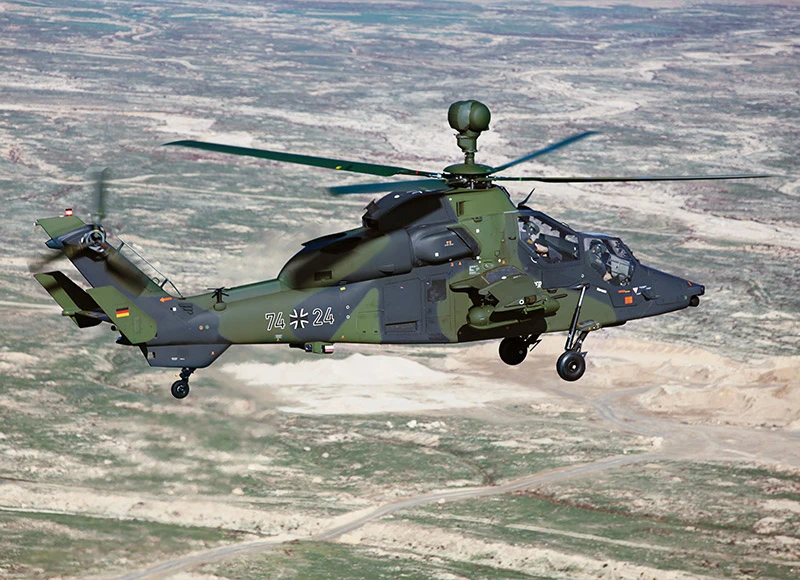
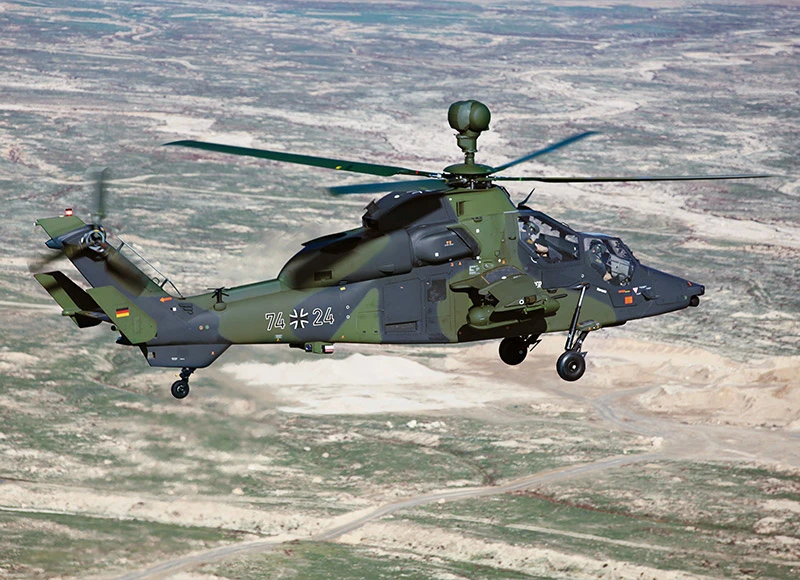
2004: The Tiger combat helicopter enters service, powered by MTR390 engines. MTU developed the MTR390 in collaboration with Safran Helicopter Engines and Rolls-Royce.
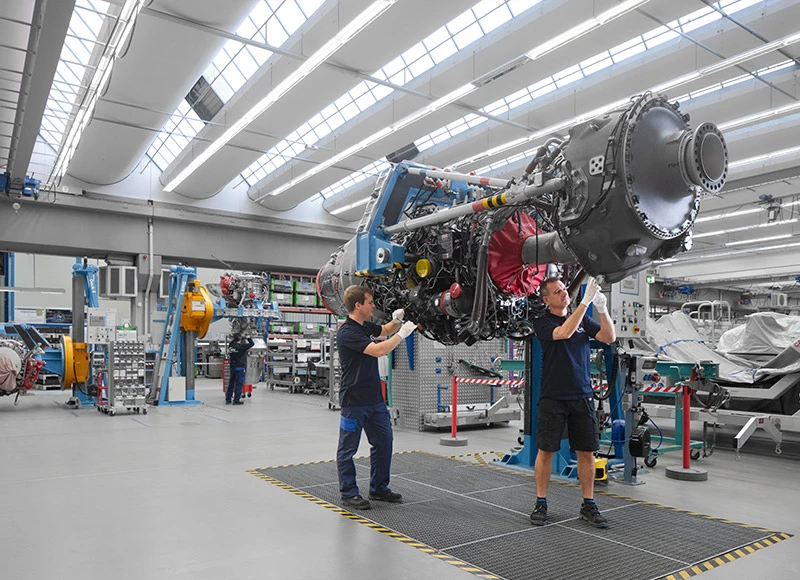
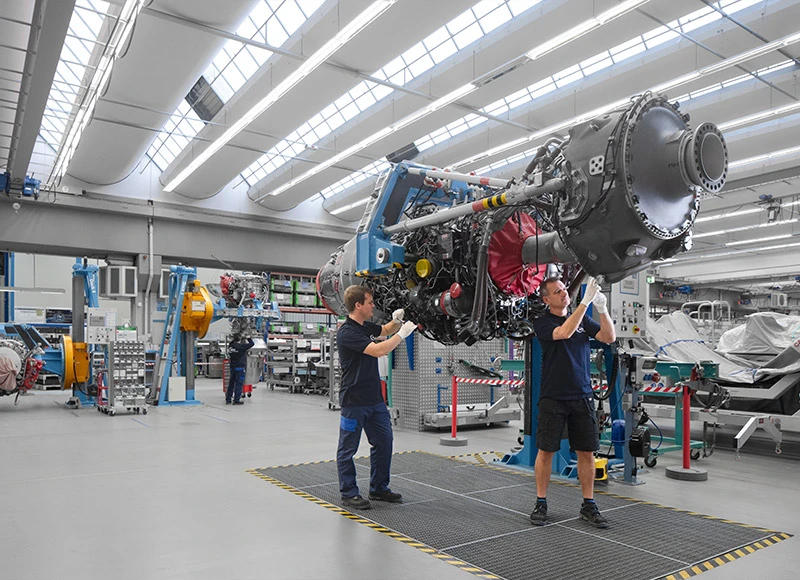
2013: As the main German partner for the TP400-D6, the exclusive engine for the Airbus A400M military transporter, MTU supplies high technology made in Germany. The transporter enters service in 2013.
Pilot Noble from Germany’s 74th Tactical Air Force Wing
Pilot Noble describes his pilot training—and emphasizes how impressed he is by the reliability of the EJ200 engine. (The English voice-over in this film was generated using artificial intelligence and was not spoken by a real person. The content fully corresponds to the original interview that was conducted.)
A whole new angle for cooperation
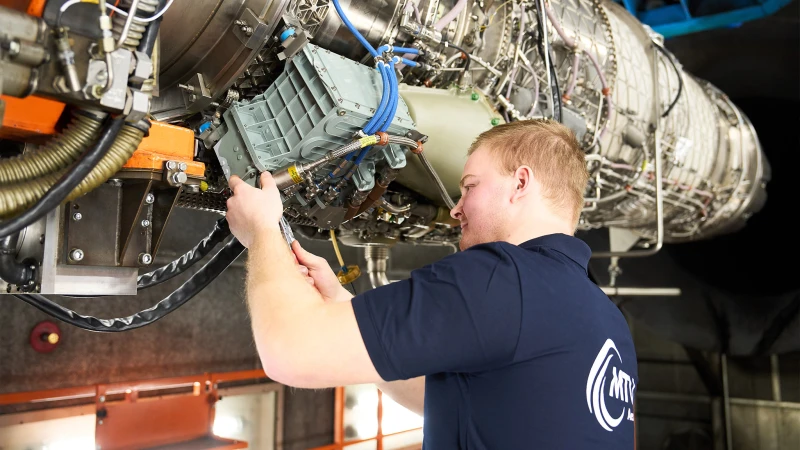
The early 2000s marked the beginning of a new chapter in the partnership: maintenance cooperation, in which soldiers work side by side with civilian employees at MTU to repair the Luftwaffe’s engines. MTU bears overall responsibility, while technicians from the German Air Force contribute their practical knowledge. This model was first introduced for the EJ200 and later extended to the RB199 and the MTR390. The result: faster turnaround times, lower costs, and much higher operational readiness of the engines.
This is the path aircraft engineering officer Christoph Eschlbeck took when he joined MTU. “I was a soldier in the Luftwaffe for a total of 16 years. My last role was in the repair cooperation,” he says. One of his most memorable experiences was a rejected takeoff test in the Eurofighter cockpit. This involves accelerating an aircraft on the runway in order to subsequently test the wheel brakes and braking behavior. “I wanted to remain loyal to the Eurofighter and the EJ200, so the move to MTU after my time in the German Armed Forces was only logical,” he says. His route to work remained the same: as an MTU employee in EJ200 maintenance, he works at the operational facility in Erding, which is also home to the air base there.
The founding of the Bundeswehr: Historical background
The founding of the Bundeswehr and the Federal Republic of Germany’s accession to NATO in the early 1950s were preceded by heated debates regarding the country’s rearmament. In his first cabinet, Chancellor Konrad Adenauer established a commission of military experts to look into ideas for an armed force in a democratic, federally organized state. The group of experts presented their concept, which included the force’s structures and scope, in the initially secret “Himmerod Memorandum” of October 9, 1950, on “the establishment of a German contingent as part of a supranational armed force for the defense of Western Europe.”
The worry that such defense would be needed was not entirely unfounded. As early as December 1946, the Soviet Union had begun to build up an armed and militarized border police force in the part of Germany under its occupation. After this area officially became the German Democratic Republic on October 7, 1949, further armed forces were systematically established. This led the West to fear that the GDR’s troops might attack the Federal Republic of Germany—similar to the situation in Korea, where North Korean forces invaded South Korea in June 1950 with the support of the Soviet Union and the People’s Republic of China.
Air forces were an essential part of the Bundeswehr from the very beginning. Training for jet aircraft pilots got underway in the U.S. and in the United Kingdom as early as the summer of 1955. The first flying units to be established were Air Transport Wing 61 in Erding, which later moved to Landsberg, and Fighter-Bomber Wing 31 in Nörvenich.
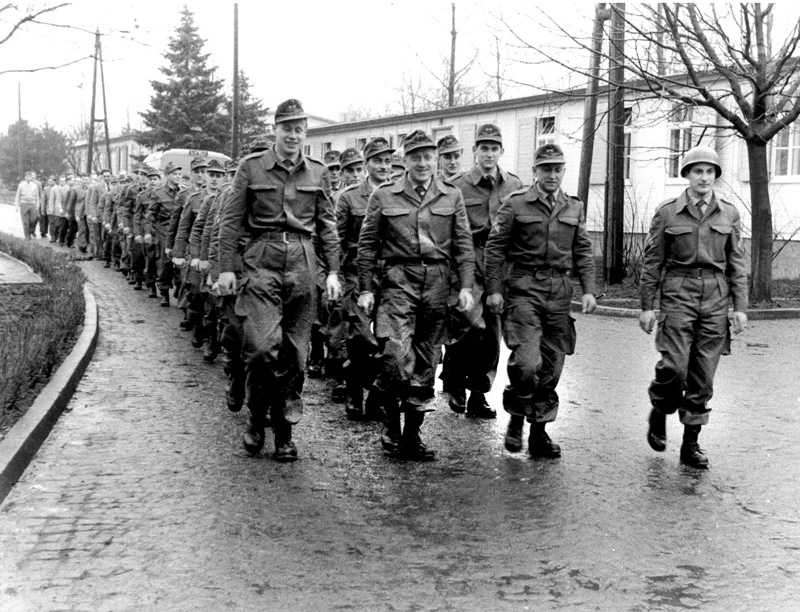
©1956 Bundeswehr / Baumann
The first conscripts in a marching column on the barracks grounds in Andernach in 1956.