The GEnx has been in service on long-haul routes for 15 years. One of its key components comes from MTU: the turbine center frame.
GEnx engine: Big, successful, and on a growth trajectory
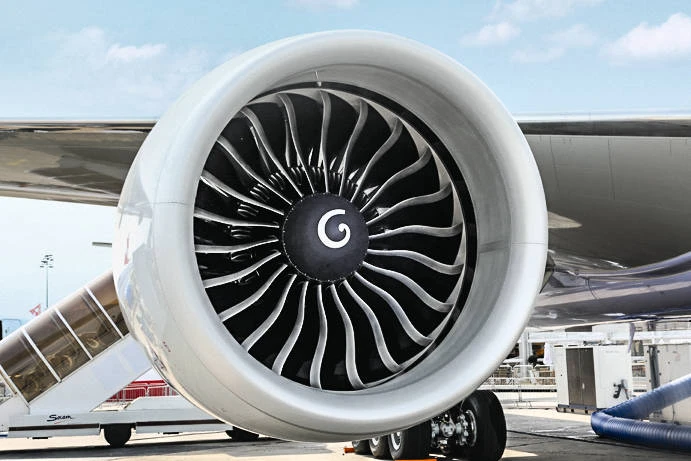
The GEnx fan measures nearly three meters in diameter. You can tell just from its dimensions that this engine is built for big challenges. GE Aerospace developed the GEnx as the successor to the successful CF6. It is based on the proven architecture of the GE90. Two versions were created: The GEnx-1B powers the Boeing 787 Dreamliner, while the GEnx-2B was developed for the Boeing 747-8, the final version of the legendary “Queen of the Skies.”
On October 26, 2011, the GEnx entered commercial service for the first time; 15 years later, more than 2,800 GEnx engines are in service. While production of the Boeing 747-8 has now ended, manufacturing of the Dreamliner and its GEnx-1B engines is in full swing. Boeing delivers about eight aircraft to customers each month, and the company forecasts that this figure will nearly double over the next five years.
Fact box
>
2
.
800
GEnx engines have entered service to date.
50 million
flight hours
is the GEnx-1B fleet’s cumulative total as of July 2026.
24 million
flight hours
is how long the GEnx-2B fleet had flown as of July 2026.
>
850
Boeing 787
take to the skies courtesy of GEnx-1B engines.
>
150
Boeing 787-8
are powered by GEnx-2B engines.
>
50
Airlines
use the GEnx-1B, while nearly 30 airlines use the GEnx-2B.
“The GEnx is one of our most important programs with GE Aerospace. Over the next 30 years, it will replace the CF6 engine as the ‘workhorse’ of widebody aircraft,” says Josef Moosheimer, head of GEnx program management at MTU Aero Engines. “The engine is very popular with airlines and operates reliably.” MTU’s program share is 6.65 percent. A key component in this engine is the turbine center frame (TCF).
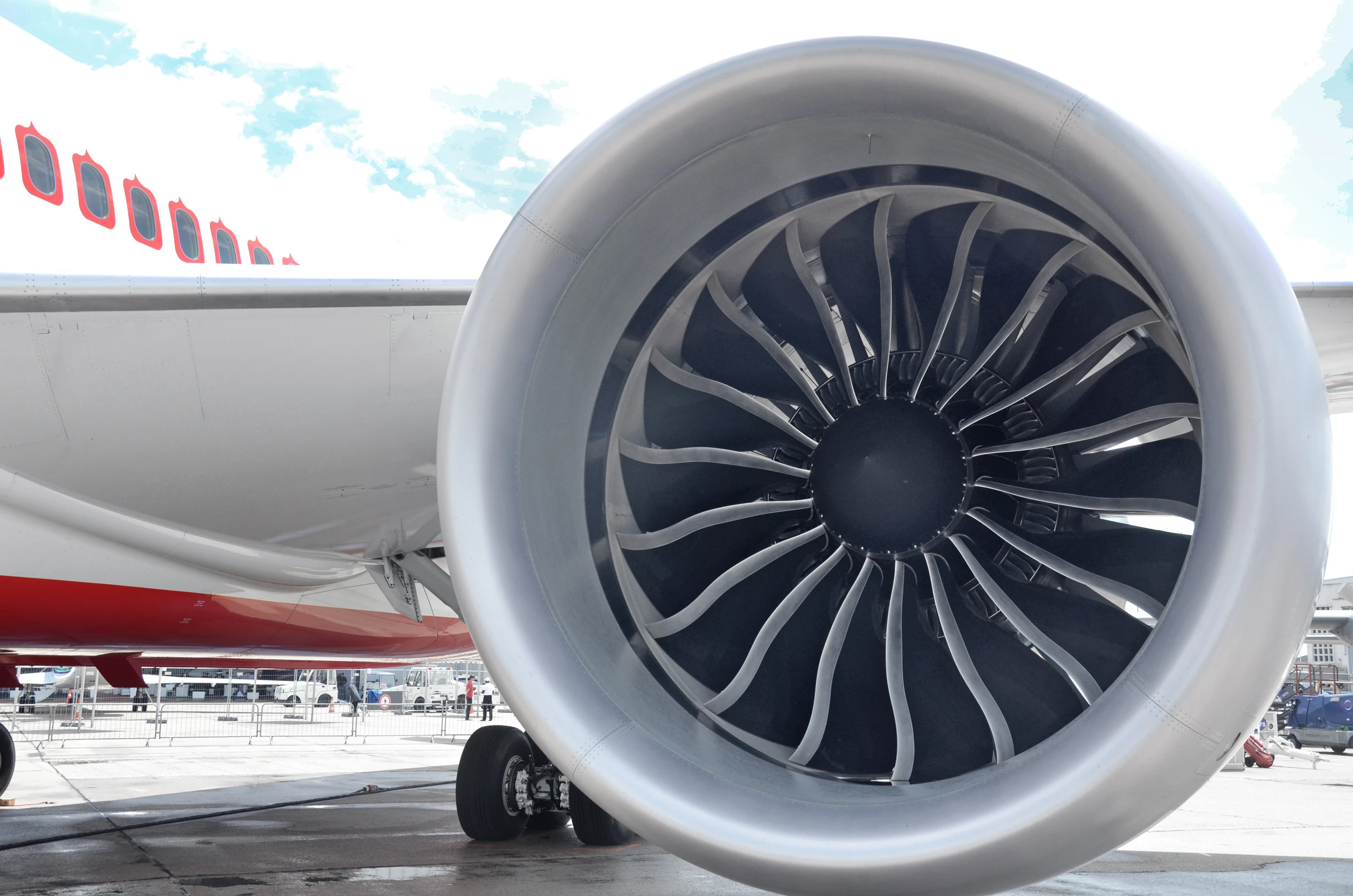

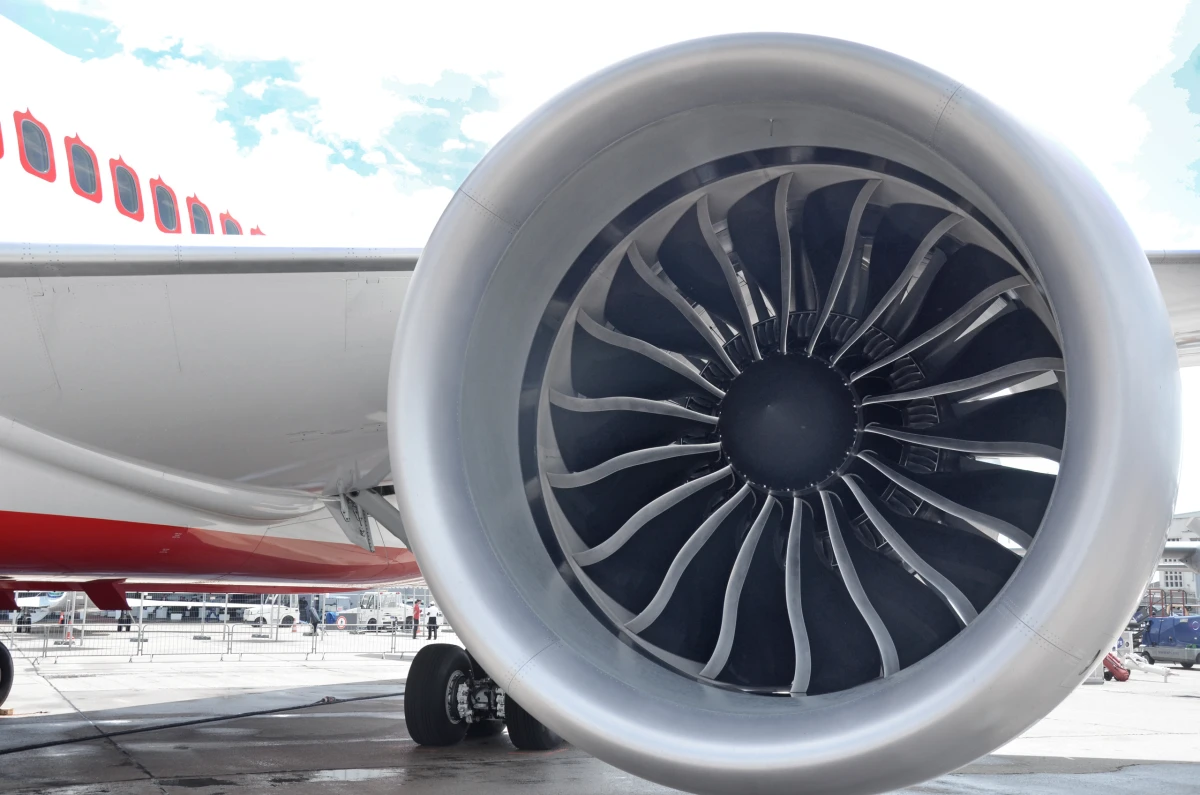
More than 850 Boeing 787s are powered by GEnx-1B engines.
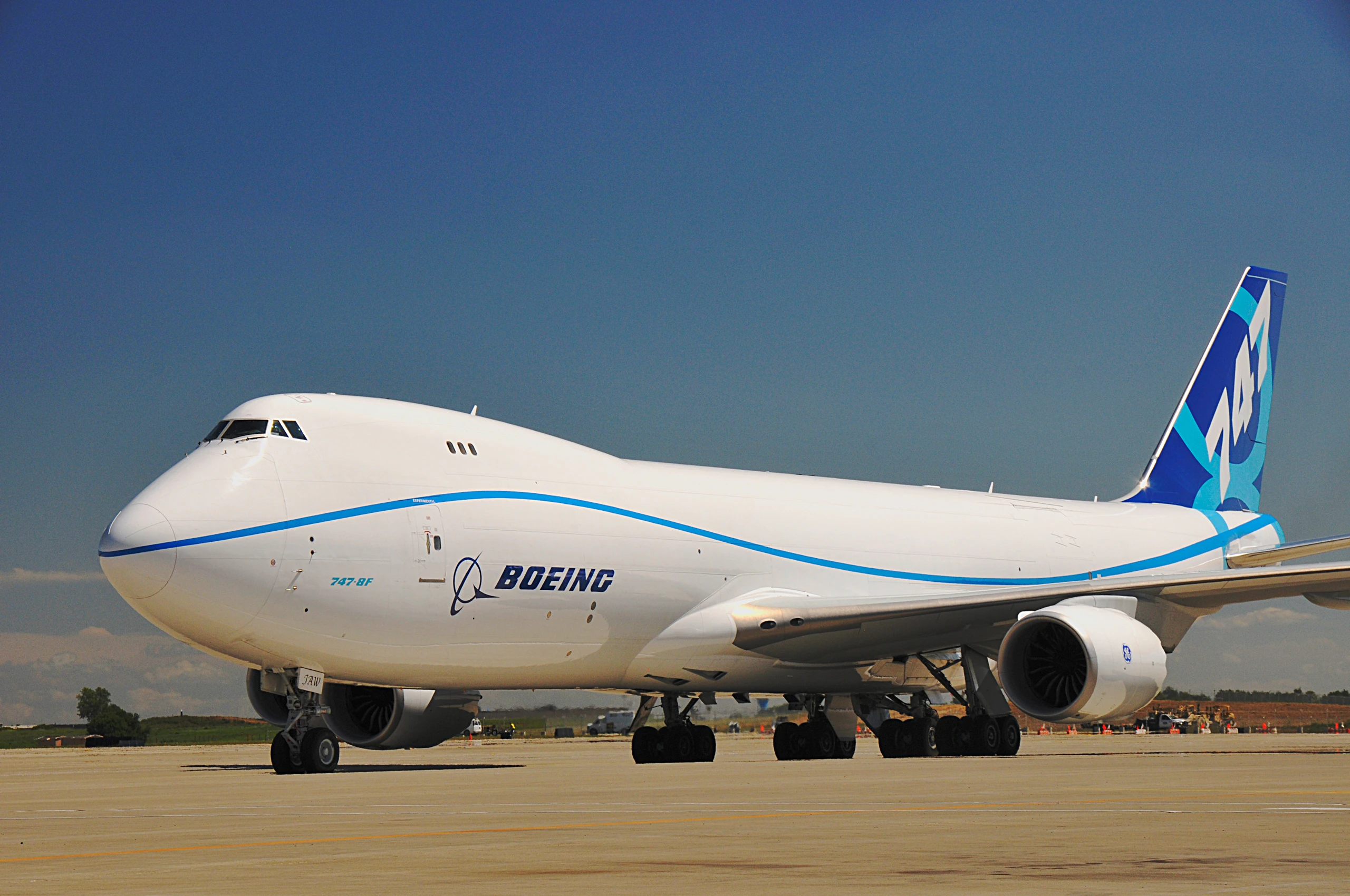
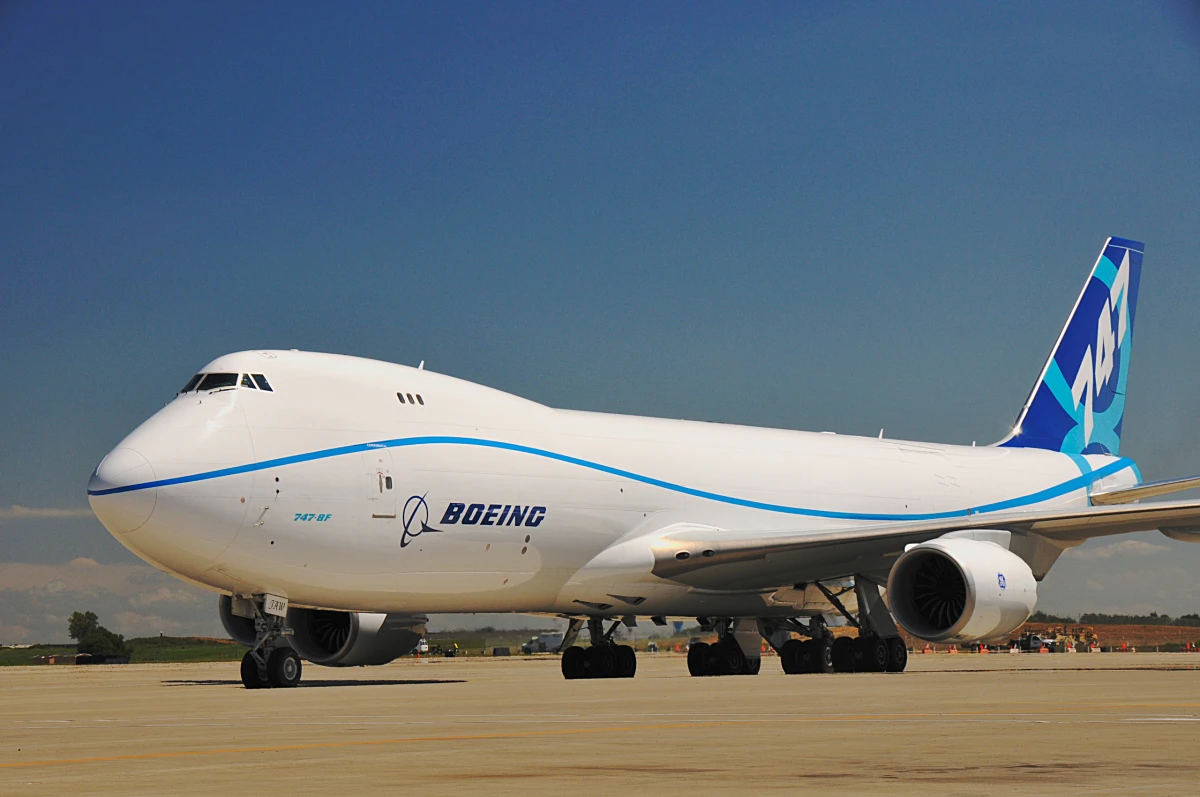
The Boeing 747-8 is powered by the GEnx-2B.
What the turbine center frame does in the engine
The turbine center frames serve as a duct for the hot gas flowing from the high-pressure turbine into the low-pressure turbine, and it fulfills a variety of functions. It routes the flow of hot gases exiting the high-pressure turbine at temperatures exceeding 1,000 degrees Celsius to the low-pressure turbine while keeping aerodynamic losses to a minimum. Both turbines need to be provided with cooling air, which is supplied through the turbine center frame. As the supporting structure, the TCF houses the rear bearing of the high-pressure spool, thus playing a crucial role in maintaining the clearances in the high-pressure turbine. At the same time, it is essential to ensure seamless oil delivery and scavenging through the hot structure. Moreover, the TCF must be capable of withstanding extreme loads that could act on it—in the event of a fan blade out, for example.
This means that during operation, the TCF is exposed to high temperatures and significant mechanical stress. Given its wide range of functions, the TCF must also meet exacting requirements on manufacturing precision and circumferential symmetry.
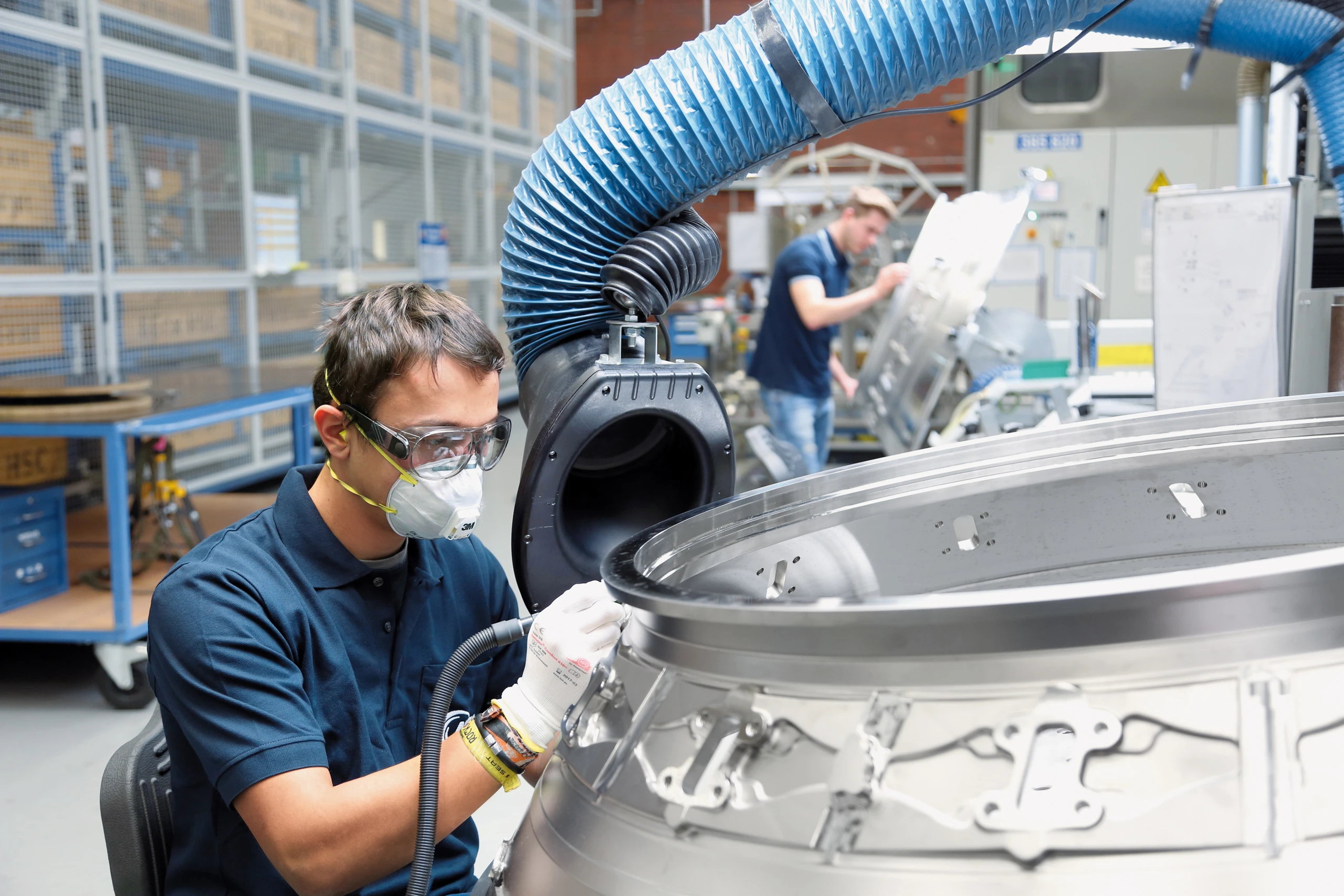
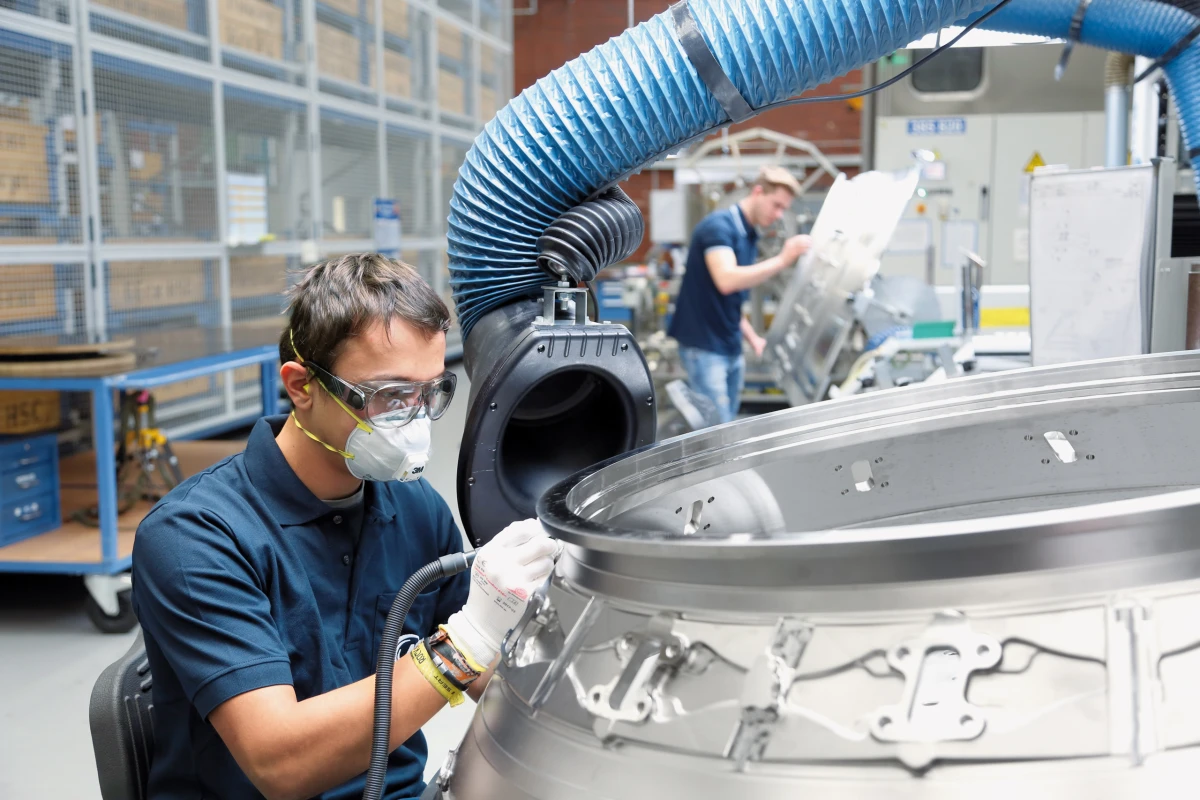
The turbine center frame, or TCF for short, is a key component of the GEnx engine.
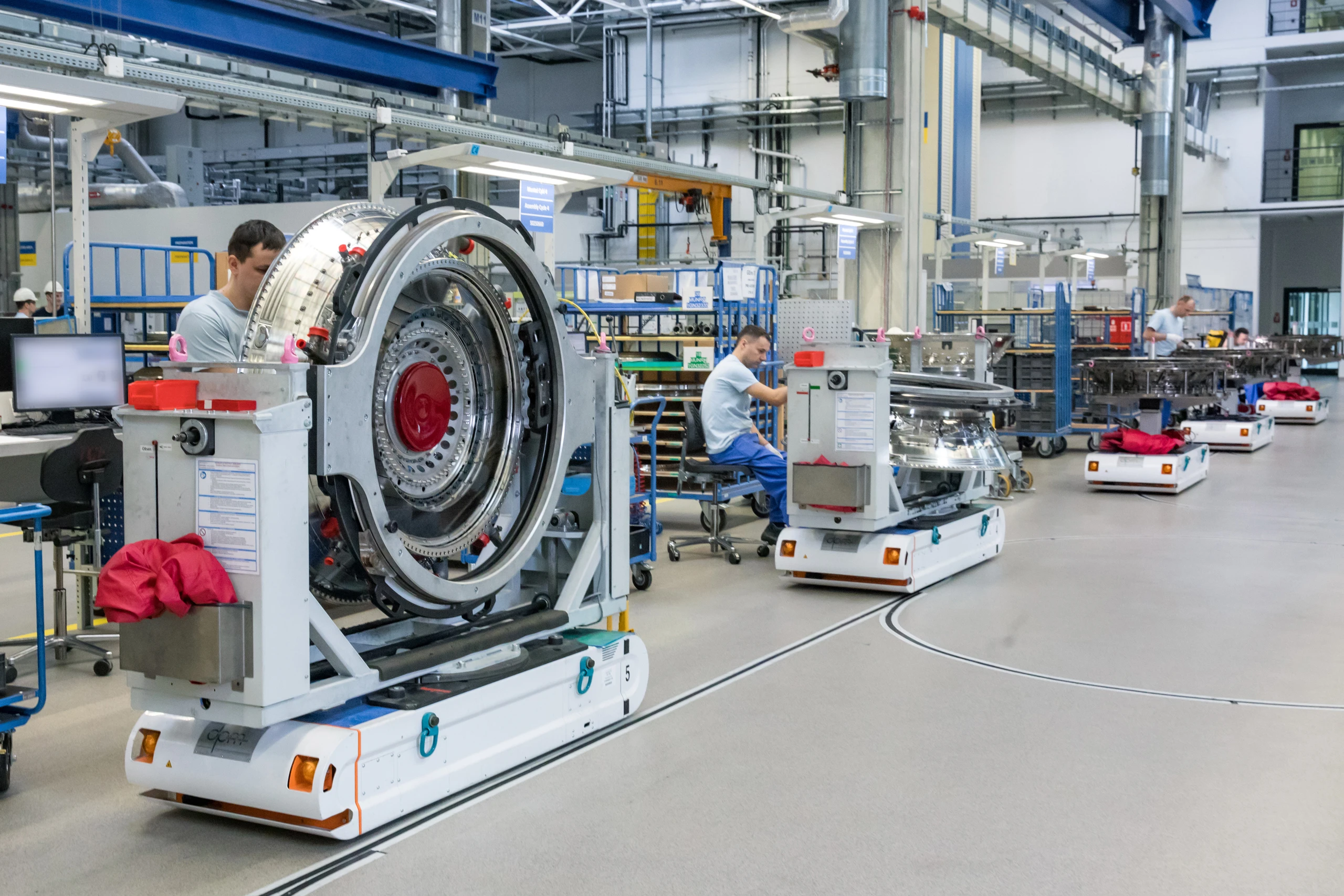
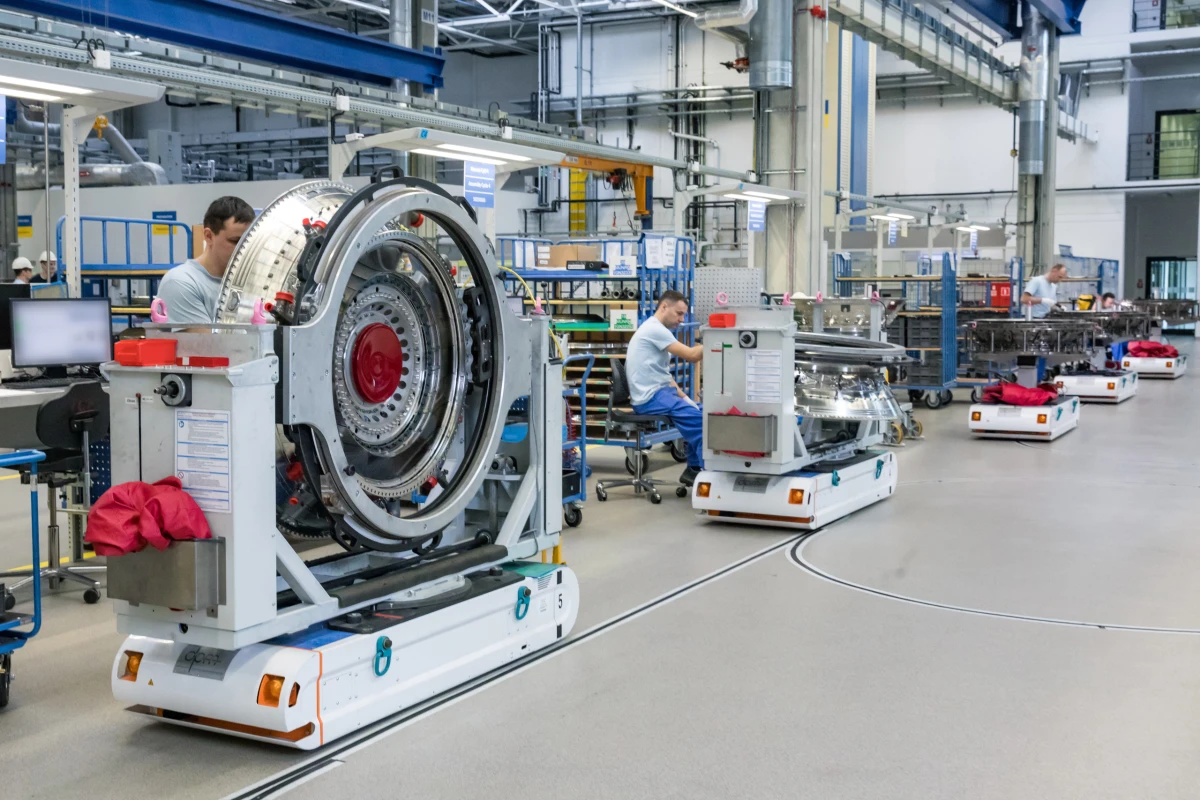
Manufacturing the turbine center frame requires a high degree of precision and circumferential symmetry.
A TCF consists of three modules: the accessories, the hub strut case (HSC), and the flow path hardware (FPH). The FPH comprises the components that form the TCF’s gas supply channel, while the HSC serves as its supporting housing. A flow path hardware assembly consists of 12 fairings, ID panels, and OD panels.
MTU brings global expertise to the GEnx engine
Every finished GEnx turbine center frame is the product of collaborative effort across several MTU locations. Program management and manufacturing of the TCF’s flow path hardware (FPH) are based in Munich; this manufacturing process is currently being fully automated. The technology featured in this project is also expected to be used in the future for components of the GE9X, the engine for the Boeing 777X.
The hub strut case, in turn, is manufactured at MTU Aero Engines Polska, and all TCF modules are assembled there before being delivered to GE’s assembly line.
As the GEnx fleet ages and is used more, another aspect of the engine’s lifecycle is becoming increasingly important: maintenance. MTU Maintenance Hannover has now handled its 2,000th GEnx turbine center frame. MTU’s role in the GEnx program is also growing in the U.S. MTU Maintenance Fort Worth is scheduled to begin offering complete engine overhauls by the end of the decade; the Fort Worth site will be supported by MTU Maintenance Hannover for module repairs.
“The program has a very promising future ahead of it. MTU Maintenance Hannover recently introduced a repair solution that greatly reduces turnaround time and optimizes costs for customers,” says Yannic Düring, Senior Manager Customer Accounts at MTU for the GEnx/GE9X program.
FAQ
What are the GEnx engine’s key features?
The GEnx is a two-shaft turbofan engine with a thrust range from 66,500 to 76,100 pounds. It builds on the proven technologies of the GE90 and combines high fuel efficiency with low emissions. High-quality, lightweight materials also help keep the weight down, while noise emissions remain low.What’s the difference between the GEnx-1B for the Boeing 787 and the GEnx-2B for the Boeing 747-8?
With a fan diameter of 2.82 meters and a length of 4.96 meters, the GEnx-1B is slightly larger than its sister engine, the GEnx-2B. It also has the edge when it comes to takeoff thrust, delivering 69,800 to 76,100 pounds compared to the GEnx-2B’s 66,500 pounds.How was the GEnx turbine center frame revised for the GE9X?
Building on the basic architecture of the GEnx TCF, the GE9X TCF features extensive optimizations that further improve its weight, service life, and manufacturability. Among other things, construction methods were optimized by way of additive manufacturing. It also features MTU’s first fully bionically designed components: brackets for oil lines. These achieve a weight reduction of 35 percent. The GE9X has three of these brackets per engine.What role does MTU Aero Engines play in the GEnx program?
MTU Aero Engines has a 6.65 percent share in the GEnx program. Its focus is on the turbine center frame (TCF): Various MTU sites are involved in manufacturing TCF components and assembling the TCF module. In addition, MTU Aero Engines is taking on the repair of the TCFs and is further expanding its GEnx maintenance operations.How is a GEnx turbine center frame manufactured, and what components does it consist of?
The turbine center frame (TCF) consists of the hub strut case and the flow path hardware. The flow path hardware is manufactured at MTU in Munich. The hub strut case is manufactured at MTU Aero Engines Polska, which is also where the individual components are finally assembled into a complete TCF module.