What exactly is asset management? While there is no need to go into a highly detailed and academic description here, a simpler explanation would certainly be worthwhile. Dick Forsberg, chief strategist at leasing company Avolon, put it as well as anyone some years ago when he said: “Buy well, sell better, and act with care in between.” Specifically, then, asset management is about seeking to maximize the value of “assets” (facilities, machines or buildings—or, in the case of the aviation industry, aircraft) employed in pursuit of a given business goal.
Even so, asset management varies considerably depending on circumstances, such as the nature of the owner—airline or leasing company—and the age of the aircraft. “A 30-year-old Boeing 747 with CF6 engines is still worth millions, but without the engines it’s practically scrap,” says Jürgen Kuhn, head of corporate development at MTU Aero Engines, highlighting the difference. The thing is, he says, that airframes have a fixed service life, after which the “asset” is good only for scrap.
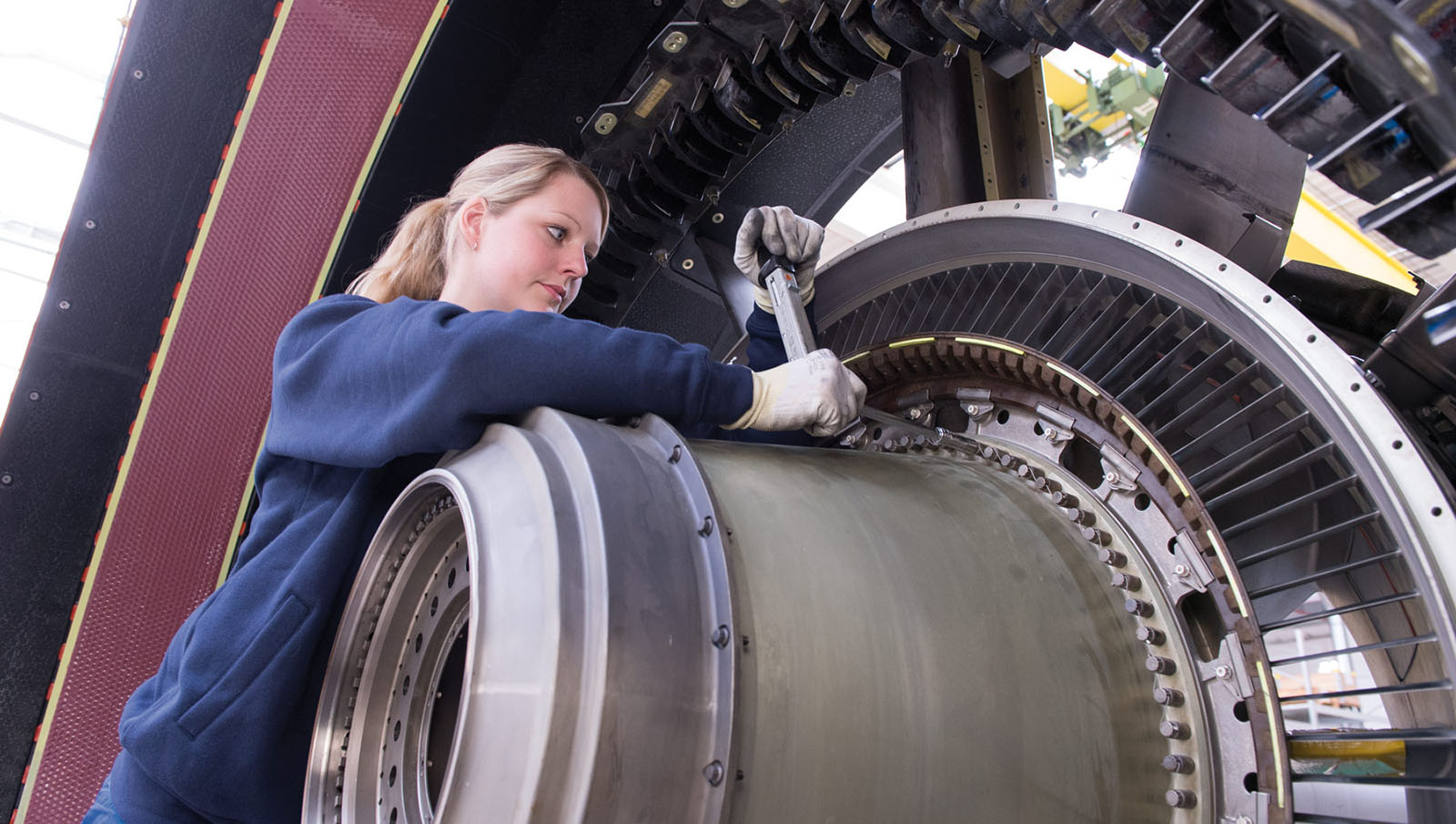
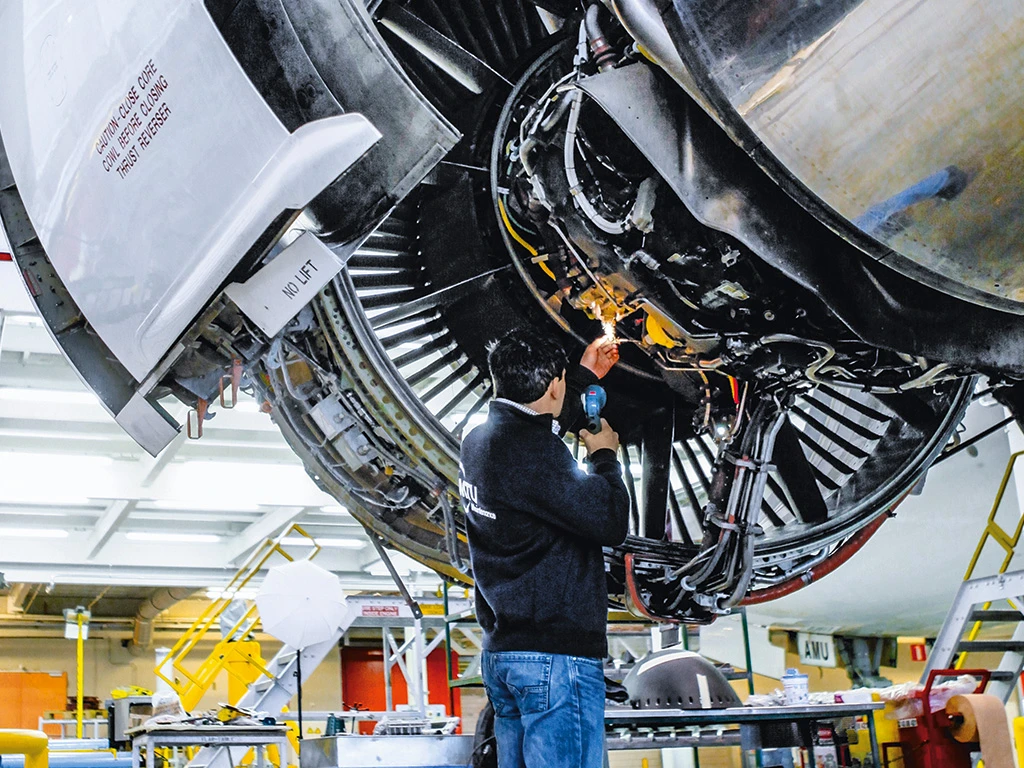
However, that is not necessarily the case for the various other components of an aircraft—and particularly not for the biggest and most expensive parts, the engines. Engines do have a number of life limited parts (LLP), but once the engine has undergone a comprehensive overhaul it is practically as good as new and can be used for many years to come. Whether that happens depends on a number of factors—not just the general market situation, business circumstances and the owner’s plans—but also the type of engine and the range of maintenance and overhaul services available for it.