MTU’s field service technicians ensure that industrial gas turbines run reliably around the world. Marvin Kuhlbrodt offers insights into a very special job.
How MTU experts keep industrial gas turbines operational worldwide
Marvin Kuhlbrodt is a field service technician at MTU Maintenance Berlin-Brandenburg. His job can take him anywhere in the world: to ships, offshore platforms, or remote industrial sites—and always when it really matters. Here he talks about industrial gas turbines, a talent for improvisation, and the fascination of a job that’s anything but ordinary.
AEROREPORT: Marvin, you rarely do your job in a typical workplace. Instead, you work aboard ships and on oil and gas platforms, often under time pressure. How do you explain to someone what a field service technician at MTU actually does?
Marvin Kuhlbrodt: I always say that we’re the crazy guys whose job it is to fly around the world and get big machines back up and running. We often end up in places I’d never even thought about before—and we have to make do with what we find there.
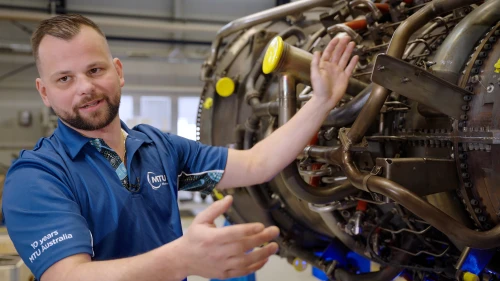
"But our goal is always the same: help the customer as quickly and reliably as possible so that the turbines can get back to work."
Marvin Kuhlbrodt
a field service technician at MTU Maintenance Berlin-Brandenburg
AEROREPORT: What exactly does an industrial gas turbine do?
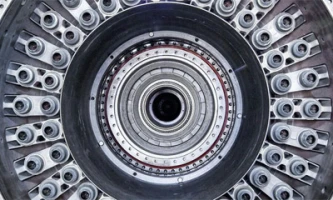
Kuhlbrodt: Well, right now I’m sitting by an LM2500TM+. Industrial gas turbines like this one are used in a wide variety of applications: on offshore platforms, aboard ships, or on gas pipelines, where they compress and transport gas. Often their job is to generate electricity. Their range of uses is enormous—and that means when a turbine breaks down, the situation is usually critical.
AEROREPORT: Because things quickly get expensive?
Kuhlbrodt: Absolutely. Offshore platforms usually run several turbines in parallel to ensure a secure supply. But it can happen that multiple systems fail at the same time—and that’s when things get serious and we step in. Our job is to get the turbines back online as quickly as possible.
AEROREPORT: Is there such a thing as a daily routine in a job like this?
Kuhlbrodt: If I’m honest, not really. Of course, we get regular vacation time like everyone else. But there’s always an element of being on call. Sometimes you’ll drive to the office in the morning and then be sitting on a flight that afternoon. But there are also assignments that are planned well in advance—with visas, logistics, all that kind of thing. It’s that mixture that makes the job what it is.
AEROREPORT: What was the most last-minute assignment you can recall?
Kuhlbrodt: That was an assignment in Oman. It was at very short notice, in sweltering heat, and during Ramadan—completely different conditions than I was used to. Situations like that soon teach you how important preparation and experience are—as is having a great team in the background.
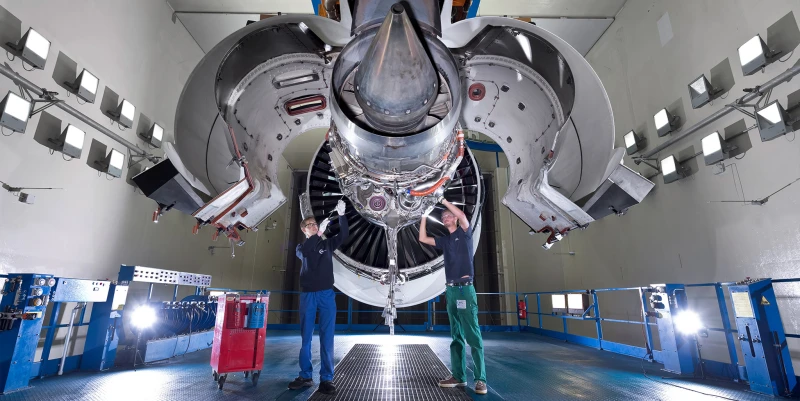
What does a Field Service Technician at MTU Maintenance do? Marvin Kuhlbrodt takes you into his world – or rather, into a life without a typical routine. As a specialist for industrial gas turbines (IGT), he works across the globe – whether on ships, offshore platforms, or at remote industrial sites.
(The English voice-over in this film was generated using artificial intelligence and was not spoken by a real person. The content fully corresponds to the original interview that was conducted.)
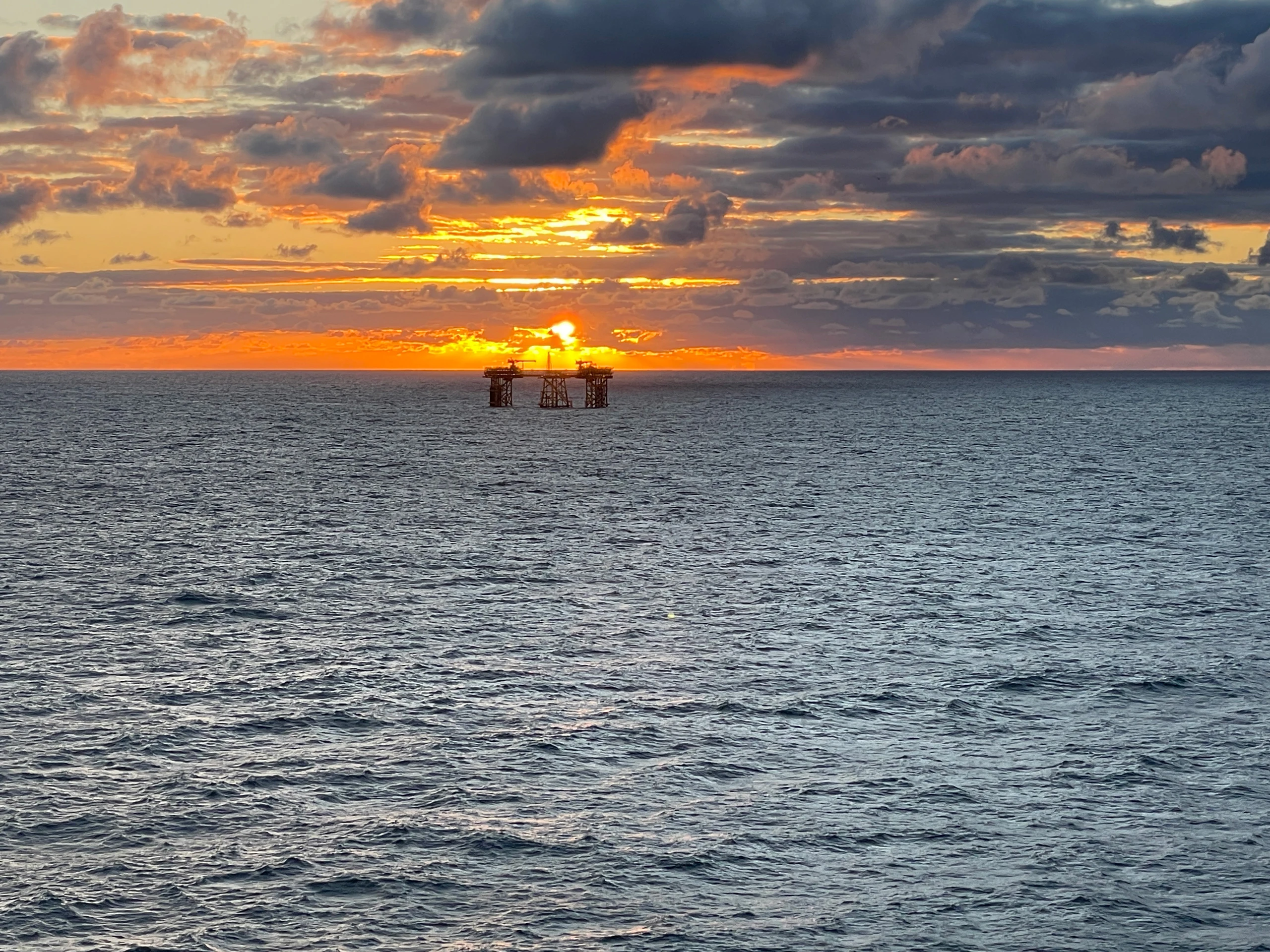

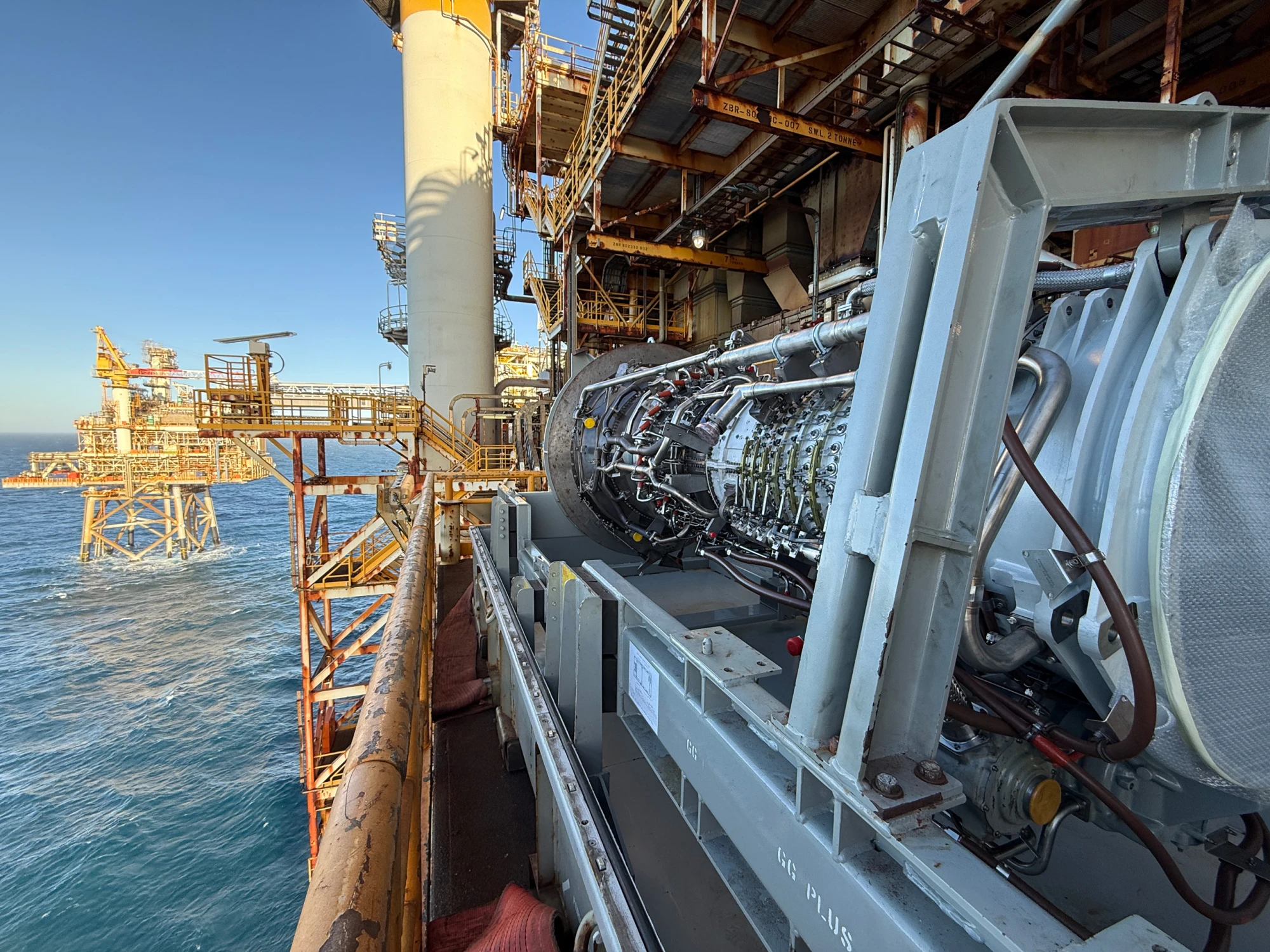
Offshore platforms: Reaching remote workplaces at sea by helicopter.
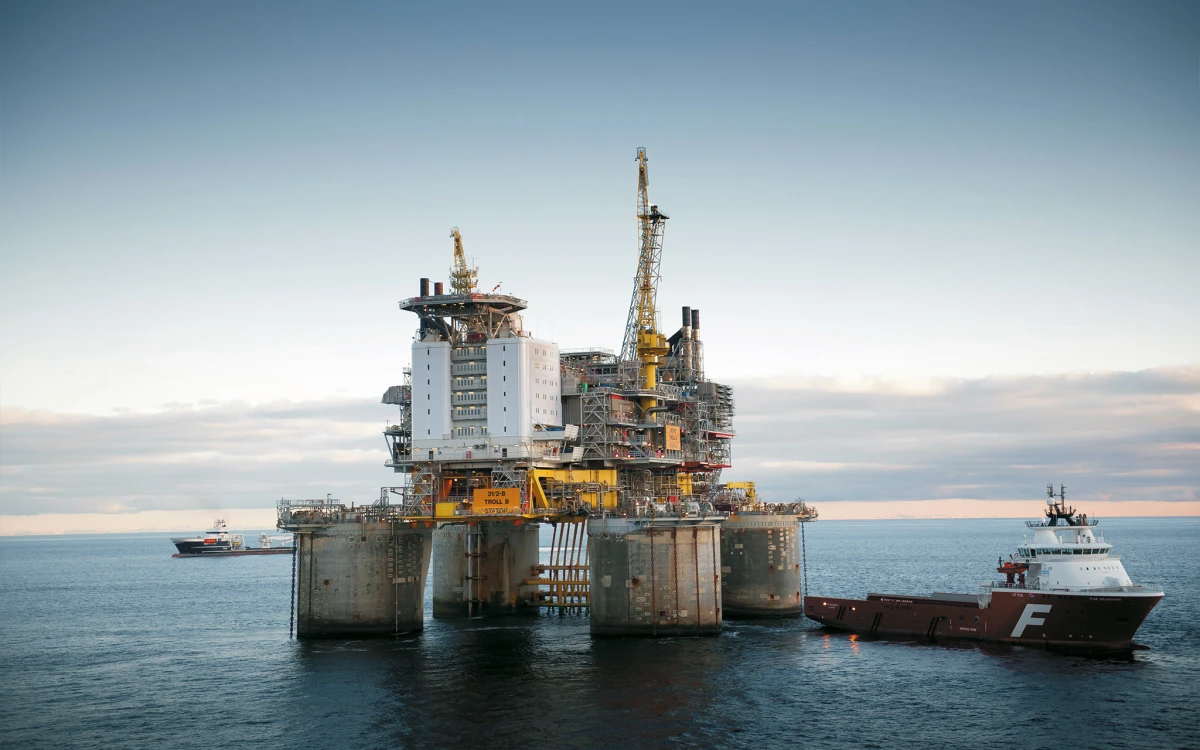
AEROREPORT: You often have to work in quite remote places, like the offshore platforms you brought in some photos of. How do you get to places like that?
Kuhlbrodt: Mostly by helicopter, but the weather can make that challenging, especially in winter. Sometimes, you’ll get the job done but then you can’t head back to land straight away. That’s part of the deal. In return, you experience some unforgettable moments—like eating dinner while watching the sun set into the North Sea.
AEROREPORT: Sounds like an adventure—but also a lot of responsibility.
Kuhlbrodt: Definitely. We are MTU’s calling card on-site. Quality always comes first. We work according to clear standards, with full support from the MTU shop in Ludwigsfelde. Even under difficult conditions, the result has to be right—and we make sure it is.
AEROREPORT: Can you tell us about a particularly complex assignment?
Kuhlbrodt: To be honest, the fact that the conditions are different each time makes every assignment complex. A project in Myanmar comes to mind: Once we entered the country, we found that the road to the facility had been partially blocked by a landslide, so all the material had to be unloaded from the large truck onto small pick-up trucks and driven through the jungle. We spent the entire first day cleaning and sorting our dirty tools, some of which had been damaged, and getting them back into working order. That calls for calm and experience—but above all teamwork. In the end, we did a first-rate job, and that’s what matters.
AEROREPORT: What’s the biggest difference for you between working in the field and working in the shop?
Kuhlbrodt: In the shop, the conditions are always the same—the temperature is pleasant and everything you need is to hand. In the field, you never know what to expect. It could be hot, cold, wet, or windy. Sometimes you’re working in sub-zero temperatures at sea, sometimes in extreme heat on land. But the quality always has to be top notch.
AEROREPORT: Do you have any rituals when you arrive in a new country?
Kuhlbrodt: If the security situation allows, I like to take a look at the surroundings first. What’s life like for the people there? What is there to eat? What’s the overall rhythm of the place? That way, you get such a rich impression of somewhere new—even if the assignments are usually on a tight time line.
AEROREPORT: One final question: Is there ever a moment that makes it really clear to you why you do this job?
Kuhlbrodt: Yes, basically after every assignment. The situation was critical, but we got the turbine running again, and now we’re sitting in the helicopter or aircraft on our way home. Then I’m proud—of the team, of the work, and of the fact that everything worked out. And that’s exactly why I love this job.