Ten years ago, the A220 from Canada established a new class of aircraft below the traditional narrowbody jets. Embraer also entered this segment with the E2. Both programs have successfully established themselves in the market.
The A220 and the E2: The rise of the small narrowbody aircraft
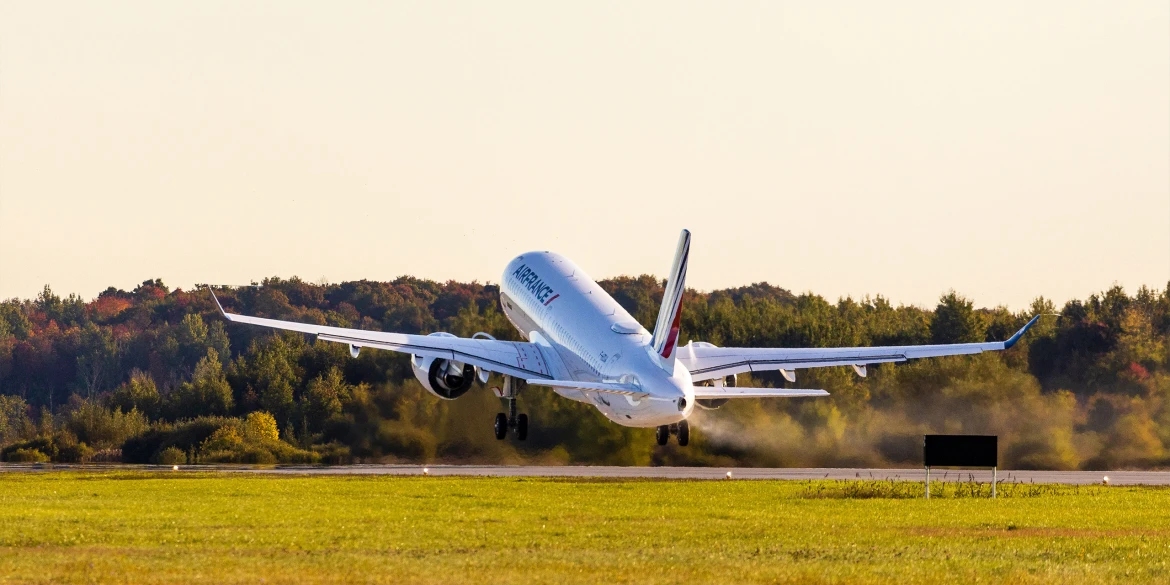
©Luis Fabricio Serrano Images 2022
Brief Summary
Ten years ago, the Airbus A220 and, later, the Embraer E-Jet E2 established a new market segment between regional jets and traditional narrowbody aircraft. Both models stand out for their modern geared turbofan engines, high efficiency, and growing demand. The A220 offers a longer range, while the E2 is optimized for the segment with up to 150 seats. For manufacturers, airlines, and MTU, this market remains a key area of growth.
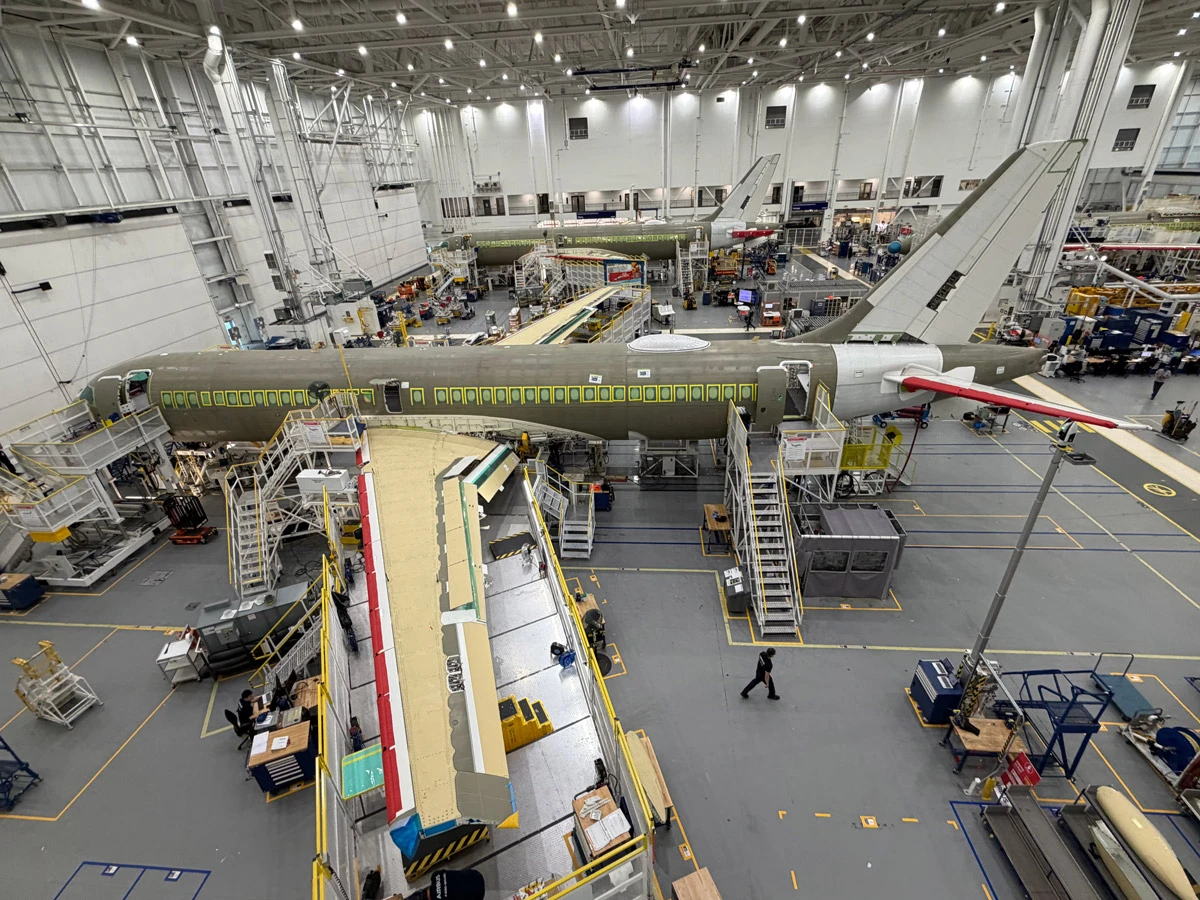
July 16, 2016: On this day, a flight from Zurich to Paris operated by Swiss, a Lufthansa subsidiary, marked the beginning of a new category of commercial aircraft. This time, it wasn’t a jet from Hamburg, Toulouse, or Seattle made by Airbus or Boeing. No, this twinjet came from Montreal, Canada, and its manufacturer was Bombardier. The company had started out making snowmobiles, moved on to business jets, and, starting in the early 1990s, added the successful Canadair Regional Jets to its portfolio. Now Bombardier was taking the next step: building an aircraft with about 100 seats, the C Series.
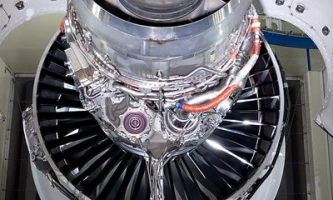
Available in a basic version and a longer variant, the aircraft could accommodate between 100 and 150 passengers. Thanks to the new PW1500G geared turbofan engines—for which MTU supplies both high-pressure compressor components and low-pressure turbines—the C Series promised up to 25 percent lower fuel consumption and emissions than the Airbus A320 and Boeing 737 families. And it had yet another advantage: The C Series was the only commercial aircraft in this segment designed after 2000—unlike the best-selling 737 and A320, which date back to the 1960s and 1980s, respectively.
©Andreas Spaeth
©Andreas Spaeth
©Andreas Spaeth
©Andreas Spaeth
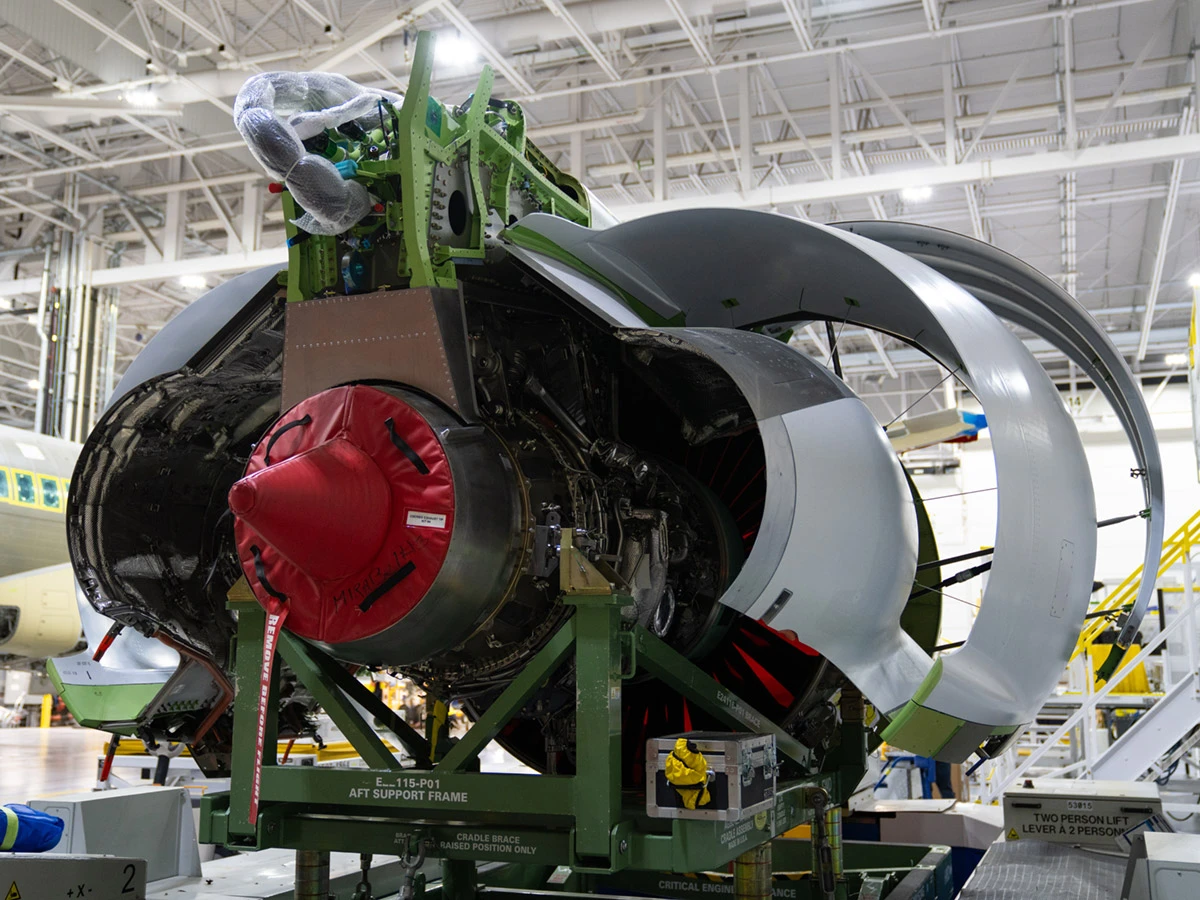
©Airbus
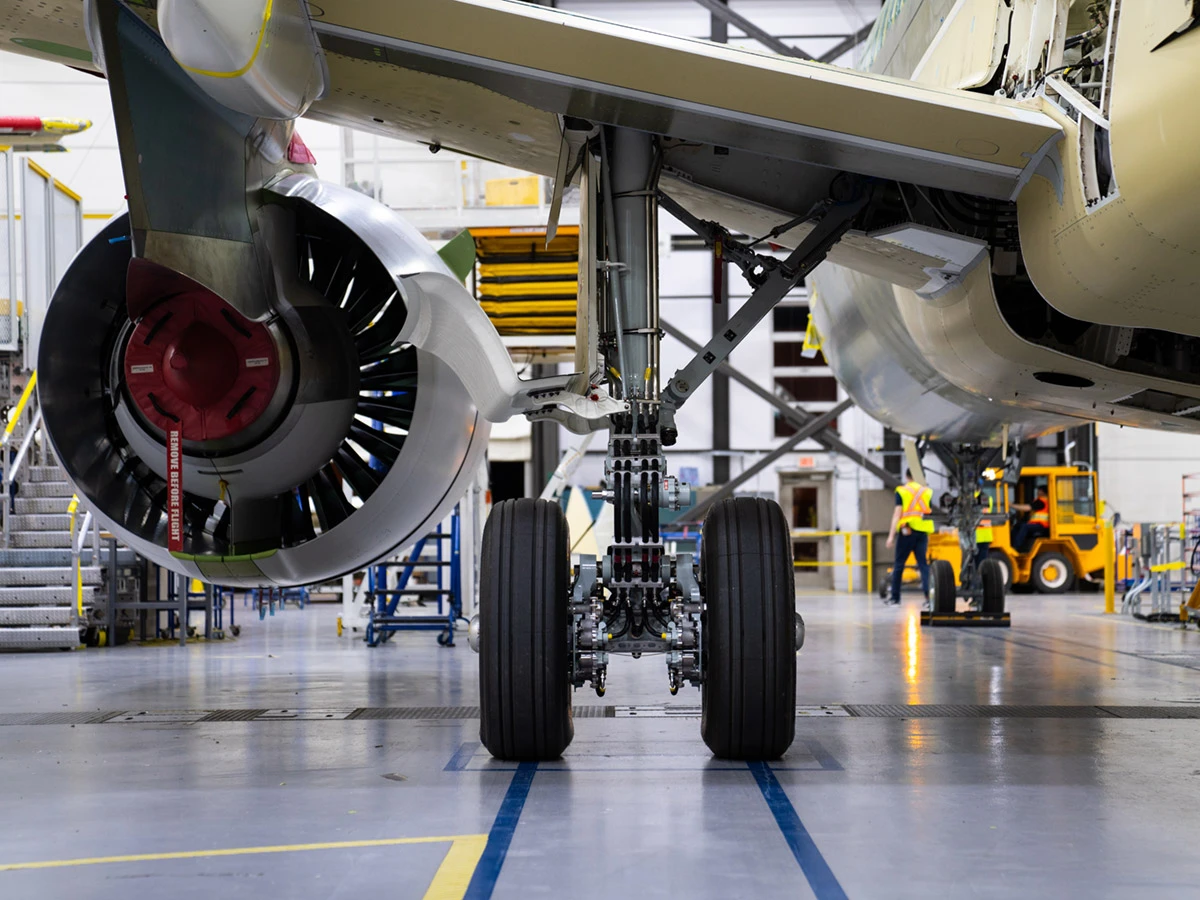
©Airbus
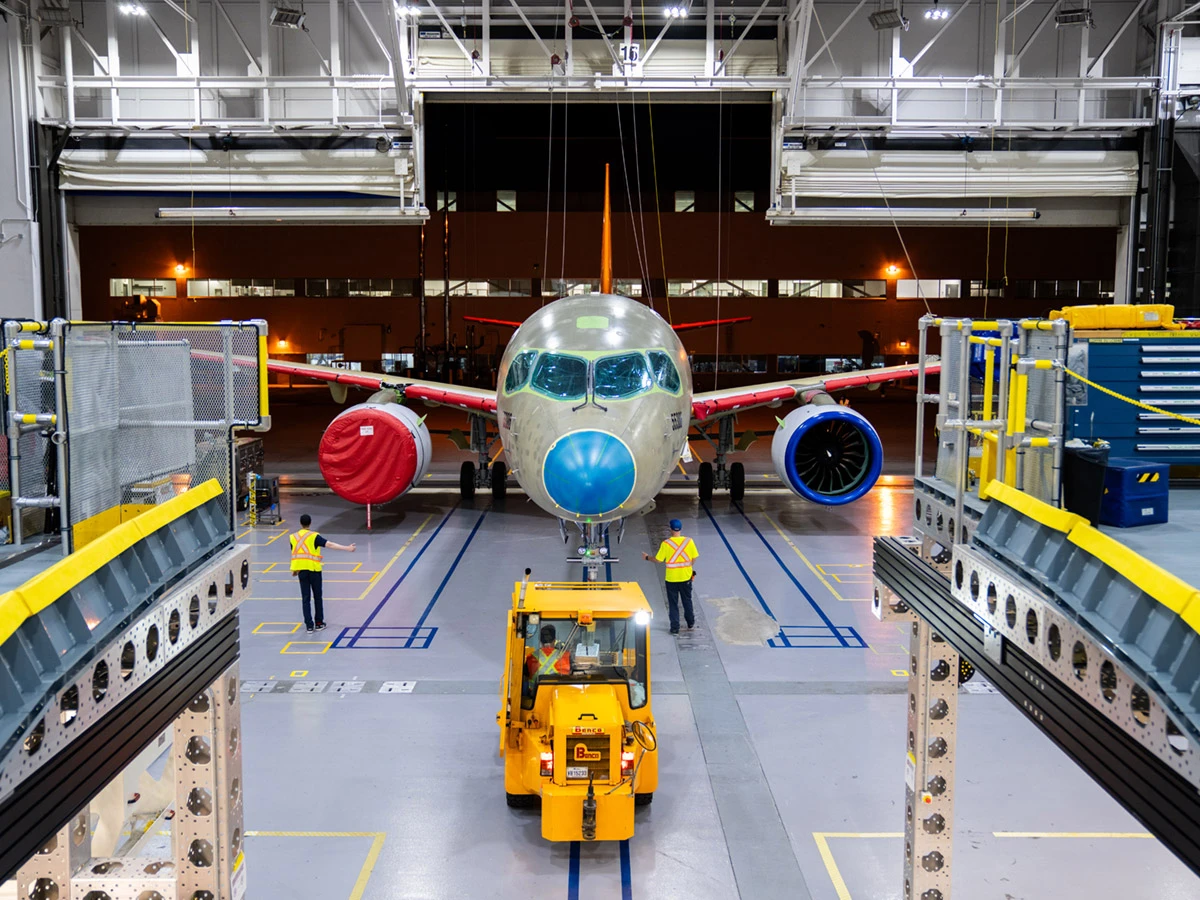
©Airbus
Airbus’s entry into the market brought success
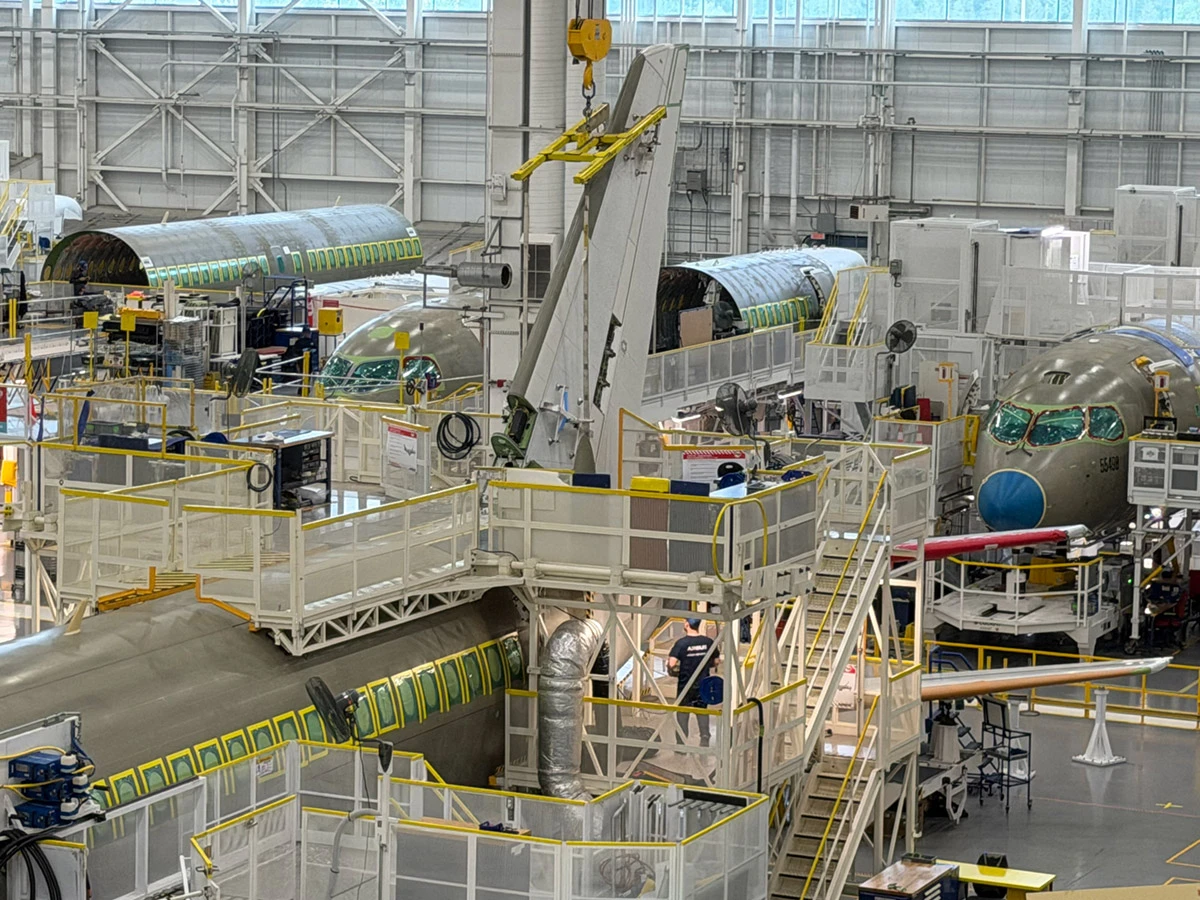
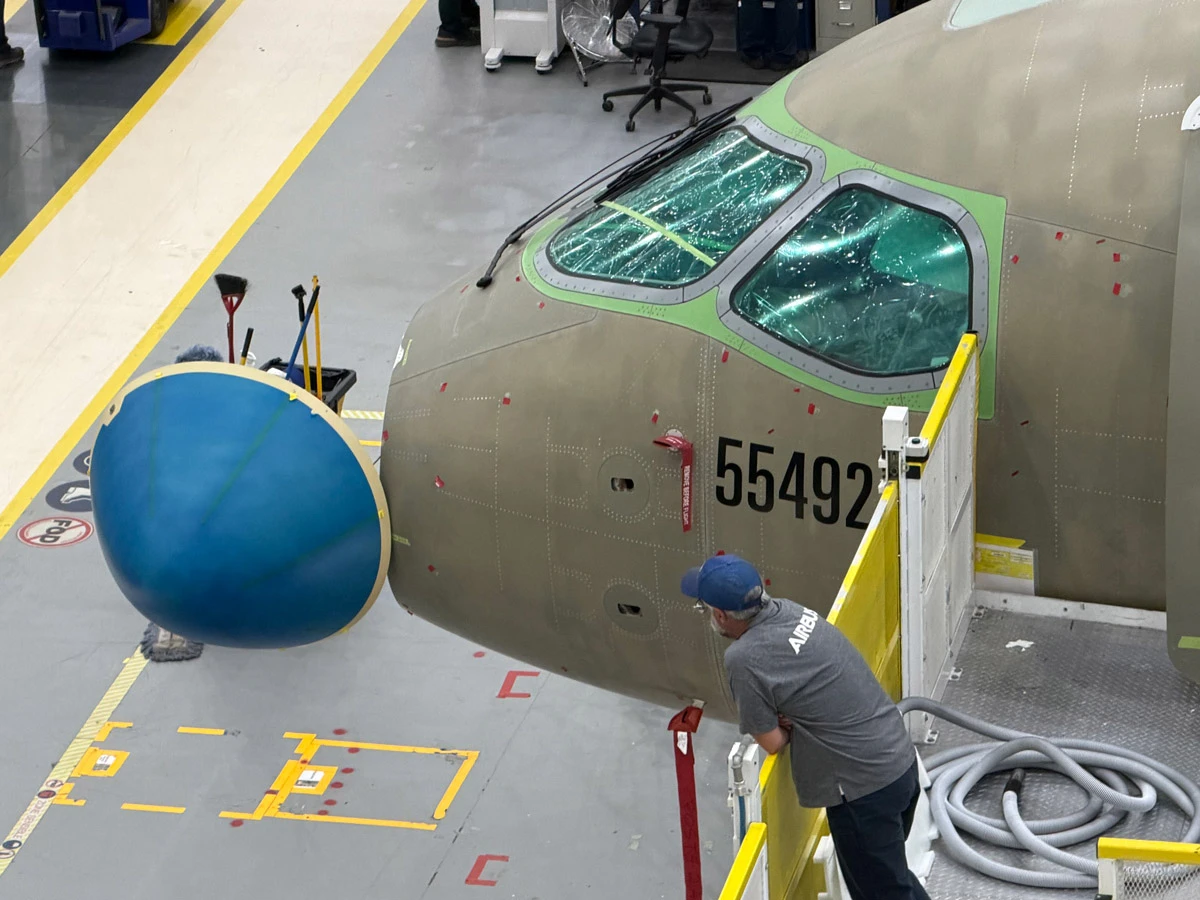
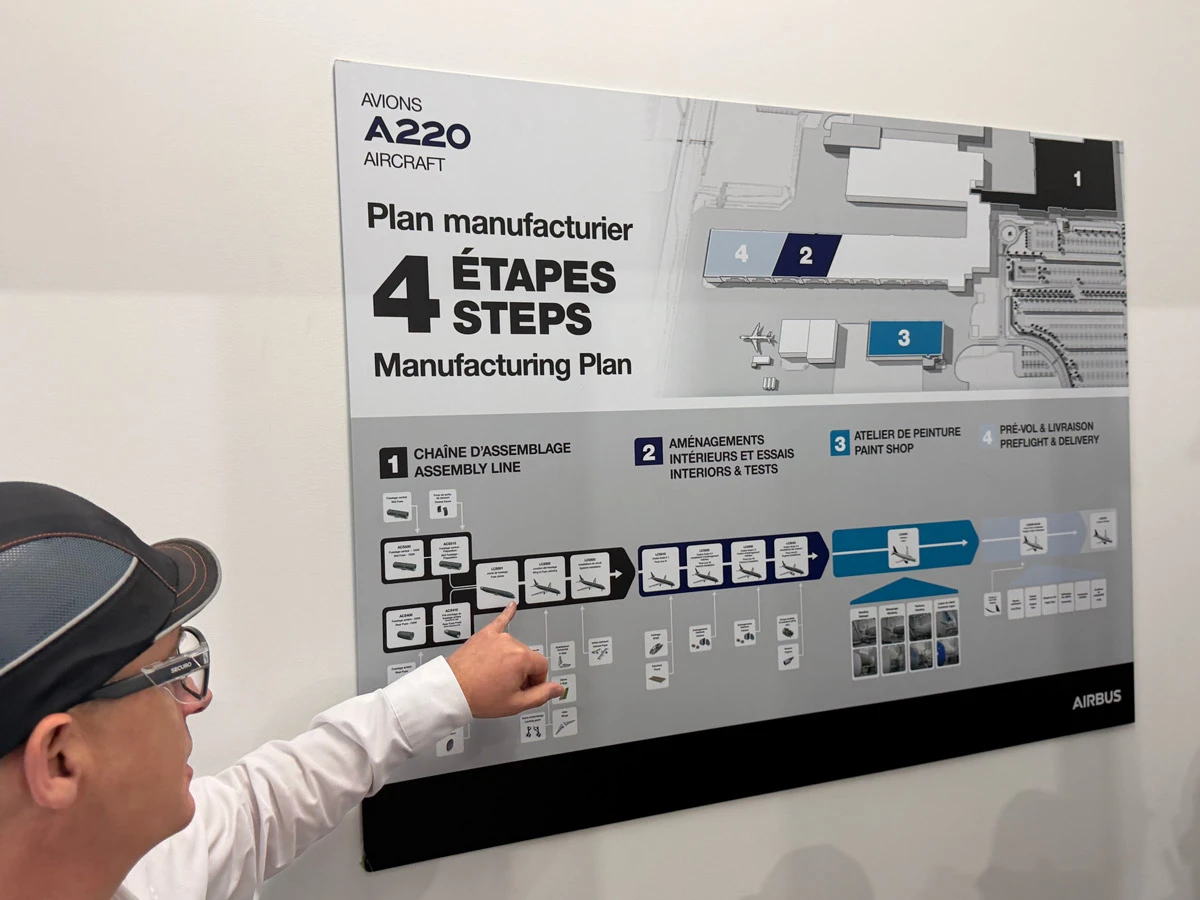
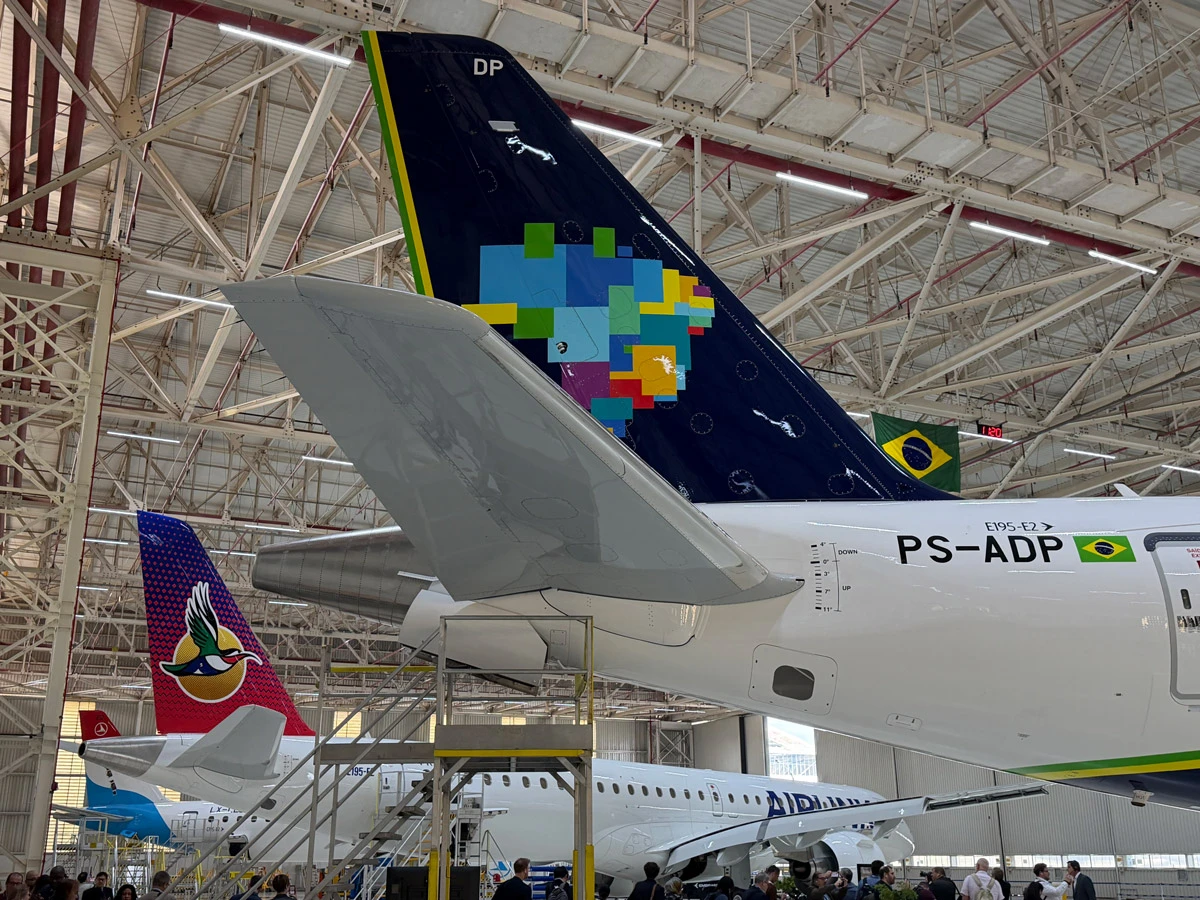
The Canadians couldn’t handle the project on their own, so in 2018, Airbus took over production at the Mirabel plant near Montreal as well as marketing. The C Series became the A220-100 and A220-300. Getting the Europeans involved turned out to be a smart move: As of May 2026, a total of 1,109 orders have been received for both versions, and 517 aircraft have already been delivered. In May 2026, a record order for 150 aircraft placed by Asian low-cost carrier AirAsia caused quite a stir. BermudAir was unveiled as a new customer for ten A220-300 aircraft at the Farnborough Air Show in July 2026. The airline plans to use the jets on transatlantic routes. “We’ve never had as much momentum in A220 sales as we do right now,” says Guillaume Chevasson, CEO of Airbus Canada.
A strong competitor emerges from Brazil
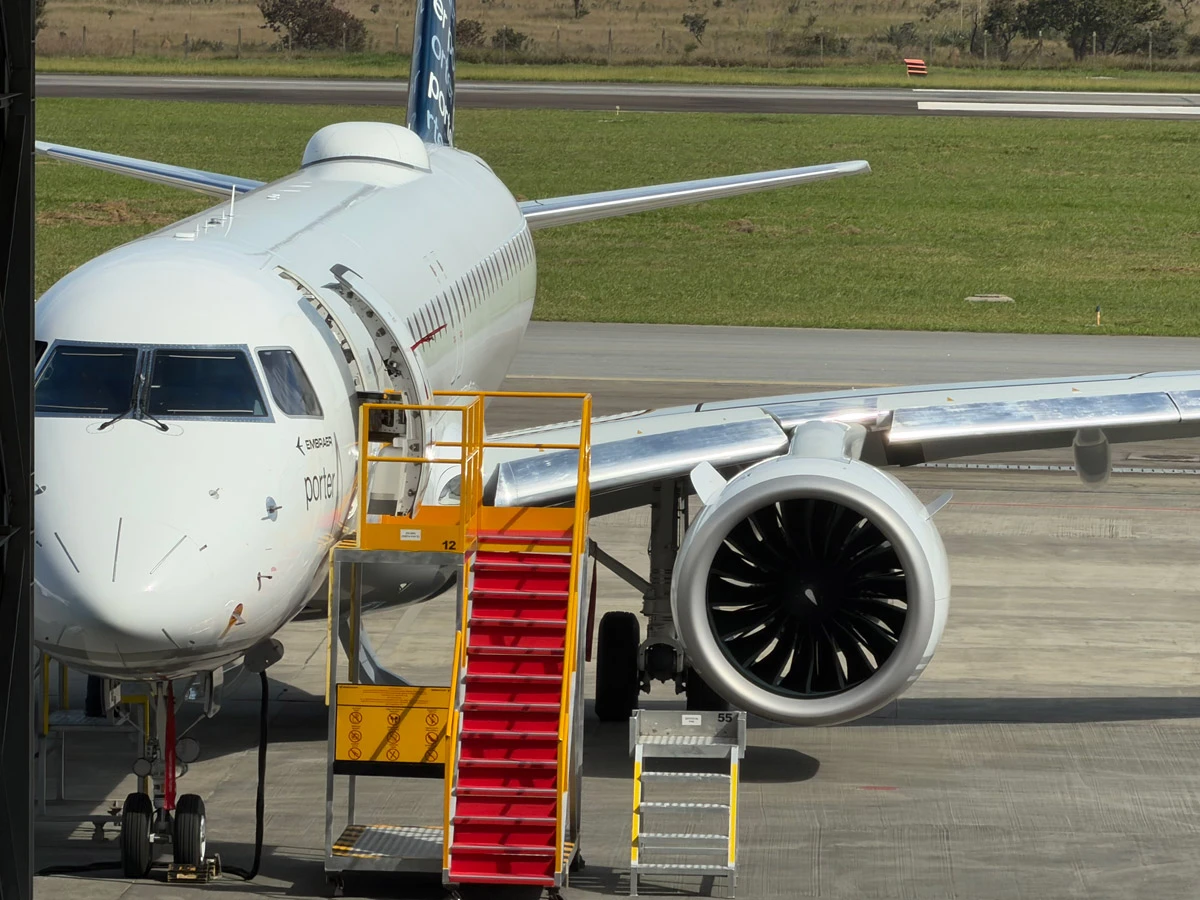
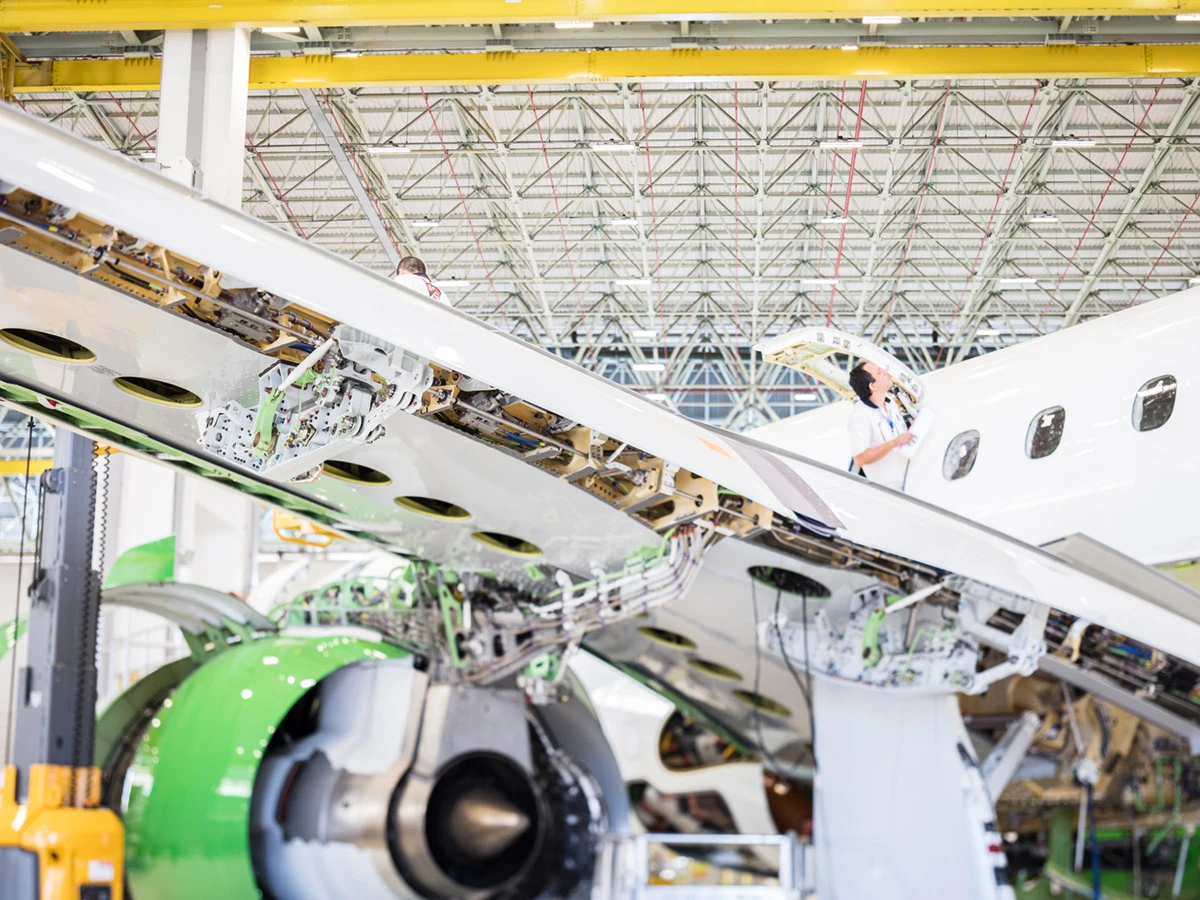
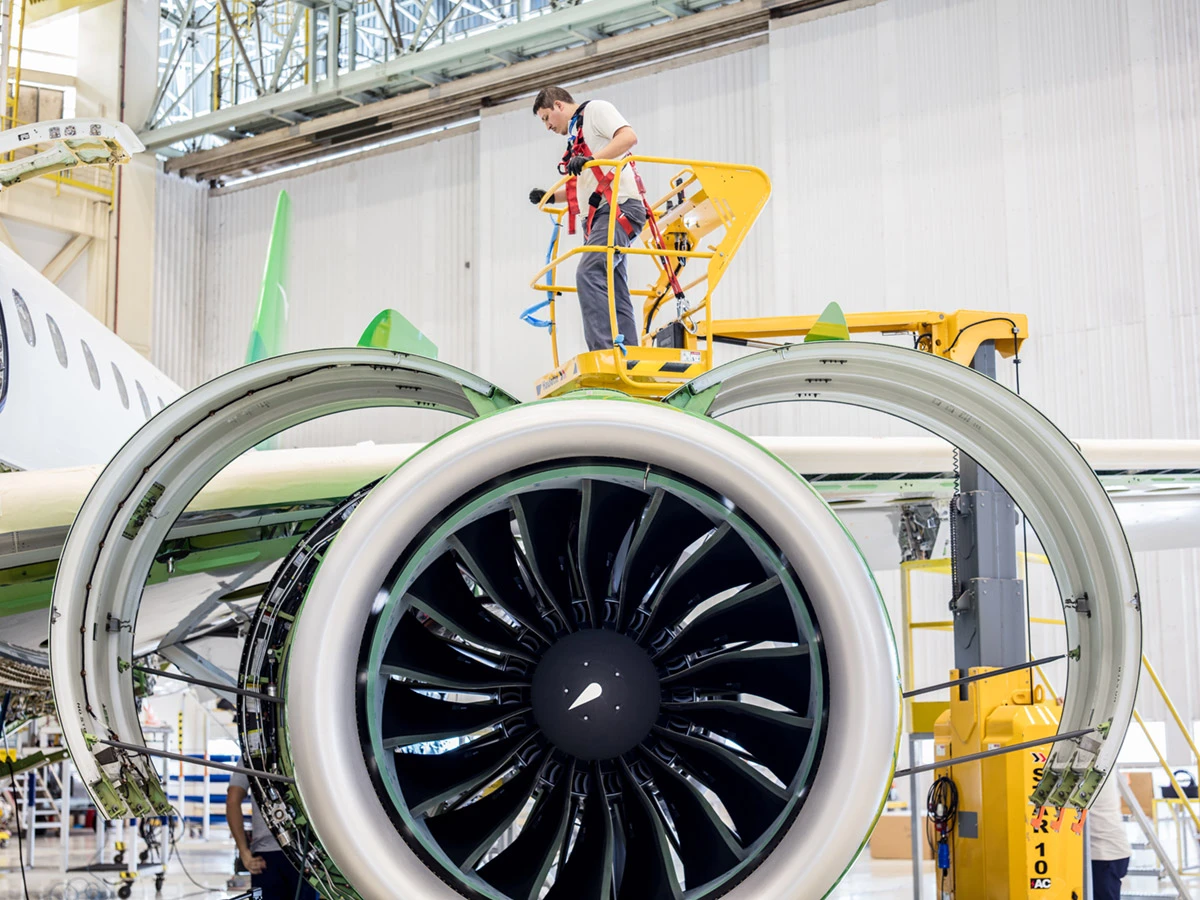
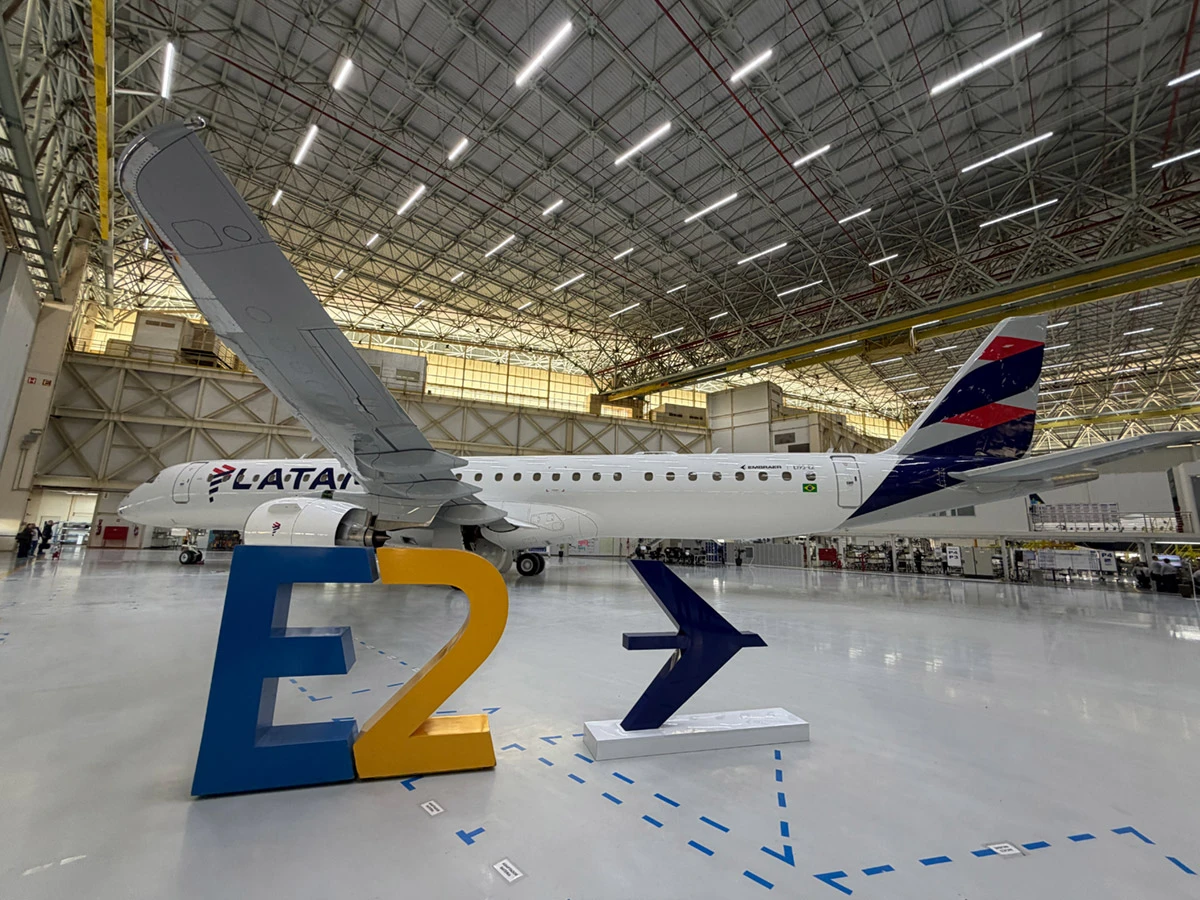
But the Canadians didn’t have the new segment to themselves for long. Embraer, the successful Brazilian regional jet manufacturer, decided to expand its E-Jet family. These twinjet aircraft, which have been further developed into the E2, are also powered by a geared turbofan—in this case, the PW1900G. On April 24, 2018, the E190-E2 completed its first scheduled flight for Widerøe in Norway. Together with the larger E195-E2, the Brazilian manufacturer now offers aircraft with seating capacity ranging from 97 to 146 seats.
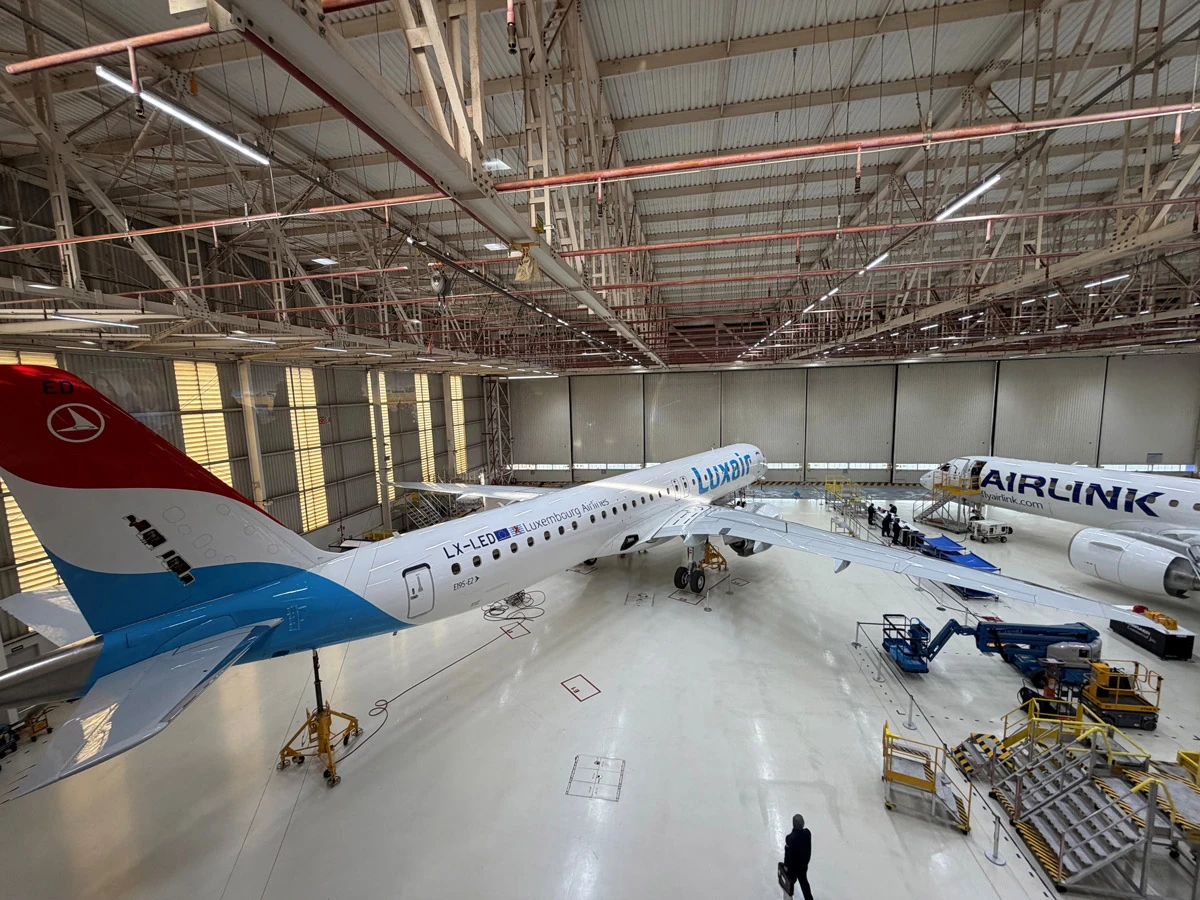
The two companies’ aircraft differ primarily in their design. The A220 offers five seats per row and has a larger cabin diameter, while the E2 has four seats per row. There are also differences in range: The jets from Canada can travel upward of 6,000 kilometers, which is about 1,000 kilometers farther than the Brazilian ones. Both models are in demand: As of June 2026, 202 E2s had been delivered, and orders and options combined totaled more than 600 additional aircraft.
©Andreas Spaeth
©Andreas Spaeth
©Andreas Spaeth
©Embraer
©Embraer
©Andreas Spaeth
©Andreas Spaeth
“The story of this aircraft wasn’t for the faint of heart.”
Interview with Rob Dewar, the “father of the A220.” The Canadian engineer was head of development for the Bombardier C Series and later went to work for Airbus on the A220 program.



AEROREPORT: The Airbus A220, formerly known as the C Series, celebrated the tenth anniversary of its first scheduled flight in July 2026. Does that make you proud?
Rob Dewar: Yes, I’m very proud of that—of what the entire team here has accomplished. It involved a tremendous amount of effort. With more than 500 A220s in service and over 1,000 aircraft sold, the program is really gaining momentum right now. The story of how it came to be, however, was very challenging. Not for the faint of heart.
How did it all start?
The original model was made of aluminum and was slightly smaller. But after two years of work, it became clear that the performance wasn’t going to be good enough for potential customers and that we weren’t able to generate enough interest. That’s why we slowed down the program in 2006 and completely redesigned the aircraft.
What was changed?
The aircraft was equipped with composite wings and the PW1500G geared turbofan, which was developed specifically for the C Series. We also added new systems such as fly-by-wire. Previously, our fuel consumption was about 14 percent lower than that of competitors such as the Boeing 737-700 and the A319. Following the redesign—with the larger wings, lighter materials, and new engines—the advantage over competitors was more than 25 percent. The program was finally officially launched at the Farnborough Air Show in July 2008—and the rest is history.
Smaller narrowbody aircraft have a market share of about 10 percent
It’s clear that since 2016, a new market for twinjet aircraft has emerged in the smaller narrowbody segment. Previously, it was primarily served by the A319 and Boeing’s 737-600 and MAX 7. “The share of deliveries of these smaller jets is expected to stabilize at around ten percent of all new single-aisle aircraft,” says Fabian Thurner, who is responsible for market analysis at MTU Aero Engines. Production of this new generation of jets is expected to continue to grow, which affects MTU as a program partner for key engine components for both aircraft models.
“In terms of volume, the PW1500G and PW1900G programs will ultimately be about as significant for MTU as the V2500 for the A320 family—of which IAE has delivered approximately 7,000 engines to date,” says Wolfgang Mattig, Program Director for Small GTFs at MTU. “We recently delivered the 2,000th turbine for the A220 and the E2. MTU manufactures components for them in Munich and Rzeszów, Poland.”
Many airlines are waiting for the stretched A220-500
Many airlines expect Airbus to follow up soon with an even longer version. “When Airbus launches the extended A220-500, we’ll immediately order another 150 aircraft,” promised AirAsia founder Tony Fernandes when announcing his order for 150 A220-300s in May 2026. Chevasson adds, “We’re getting ready to make a decision.” He says the plan is to add five additional rows of seats, bringing the capacity to just under 180 passengers—slightly less than that of the larger best-selling A320. This would slightly reduce the new aircraft’s range, but maximum takeoff weight would remain unchanged.
A market that needs tailored offerings from two competitors
Embraer, on the other hand, will focus primarily on further developing the E2. “The E195-E2 can’t be extended any further,” says Arjen Meijer, head of Embraer’s passenger aircraft division. “We can fit a maximum of 146 seats in the largest E2. If we could’ve fit 150 in there, we would have.” Both manufacturers know how important healthy competition is. “It’s good for both sides that there are two competitors—the A220 and the E2—in the relatively limited market for smaller narrowbody aircraft,” Meijer explains. “Both companies believe that this is a very strong market that needs tailored offerings.”
The two aircraft meet different requirements. “The A220 is heavier, longer, and much closer to the A320 segment than the E2—especially the A220-500,” Meijer says. “The E2, on the other hand, is optimized for the segment with up to 150 seats and rounds out the lower end of the narrowbody segment.”
MTU also recognizes the potential of this market, which as yet is far from covering all regions of the world. “There’s still room for growth in Asia for small narrowbody aircraft. So far, there haven’t been any orders from China for the A220 or E2. And in the Asia-Pacific region in particular, there are many routes that are attractive for this class of aircraft,” Thurner says.
FAQ
Why are the Airbus A220 and the Embraer E-Jet E2 considered a separate class of commercial aircraft?
The Airbus A220 and the Embraer E-Jet E2 bridge the gap between the traditional regional jets and larger narrowbody aircraft. They typically seat around 100 to 150 passengers, meaning they address a market segment that had previously been served only to a limited extent.What advantages do geared turbofan engines such as the PW1500G and PW1900G offer over previous engine generations?
Compared to their predecessor models, geared turbofans such as Pratt & Whitney’s PW1500G and PW1900G engines reduce fuel consumption per seat by 25 percent, carbon emissions per flight by up to 20 percent, and the noise footprint by up to 75 percent. A main feature of these engines is the reduction gearbox located between the fan and low-pressure compressor, on which the low-pressure turbine that drives the fan is mounted. As a result, the fan can rotate more slowly, while the low-pressure compressor and turbine can run faster. This helps achieve lower fan pressure ratios, and thus higher bypass ratios, and lets all components achieve their optimum performance. Consequently, the GTF has very high overall efficiency.For which routes and airline models are the A220 and the E2 particularly well-suited?
The Airbus A220 and the Embraer E-Jet E2 are particularly well-suited for short- and medium-haul routes with moderate demand, as well as for developing new routes. They make it possible to operate cost-effective flights on routes that are often too short for larger narrowbody aircraft. With a range of more than 6,000 kilometers, the A220 offers additional potential for longer routes. The E2 family, on the other hand, is more highly optimized for the segment up to about 150 seats and is an excellent addition to the lower end of the spectrum of larger aircraft types. Network airlines, regional airlines, and low-cost carriers all benefit from these features, as they can adjust capacity more flexibly to meet demand while taking advantage of modern efficiency standards.What are the differences in range and passenger capacity between the Airbus A220 and the Embraer E-Jet E2?
Depending on the version, the Airbus A220 can carry approximately 100 to 150 passengers and has a range of more than 6,000 kilometers. Aircraft in the E2 family offer approximately 97 to 136 seats, depending on the model, and fly shorter routes of around 1,000 kilometers. The cabin layout is also different. The A220 has five seats per row and a larger fuselage diameter. The E2 features four seats per row and is designed with a greater focus on efficiency in the smaller-capacity segment.What role does MTU Aero Engines play in the engines for the Airbus A220 and the Embraer E-Jet E2?
MTU has a 15 percent share in the PW1500G and PW1900G programs, with responsibility for developing and manufacturing the high-speed low-pressure turbine as well as the first four stages of the high-pressure compressor. MTU is also responsible for the maintenance of the engines via EME Aero in Poland, its joint venture with Lufthansa Technik.