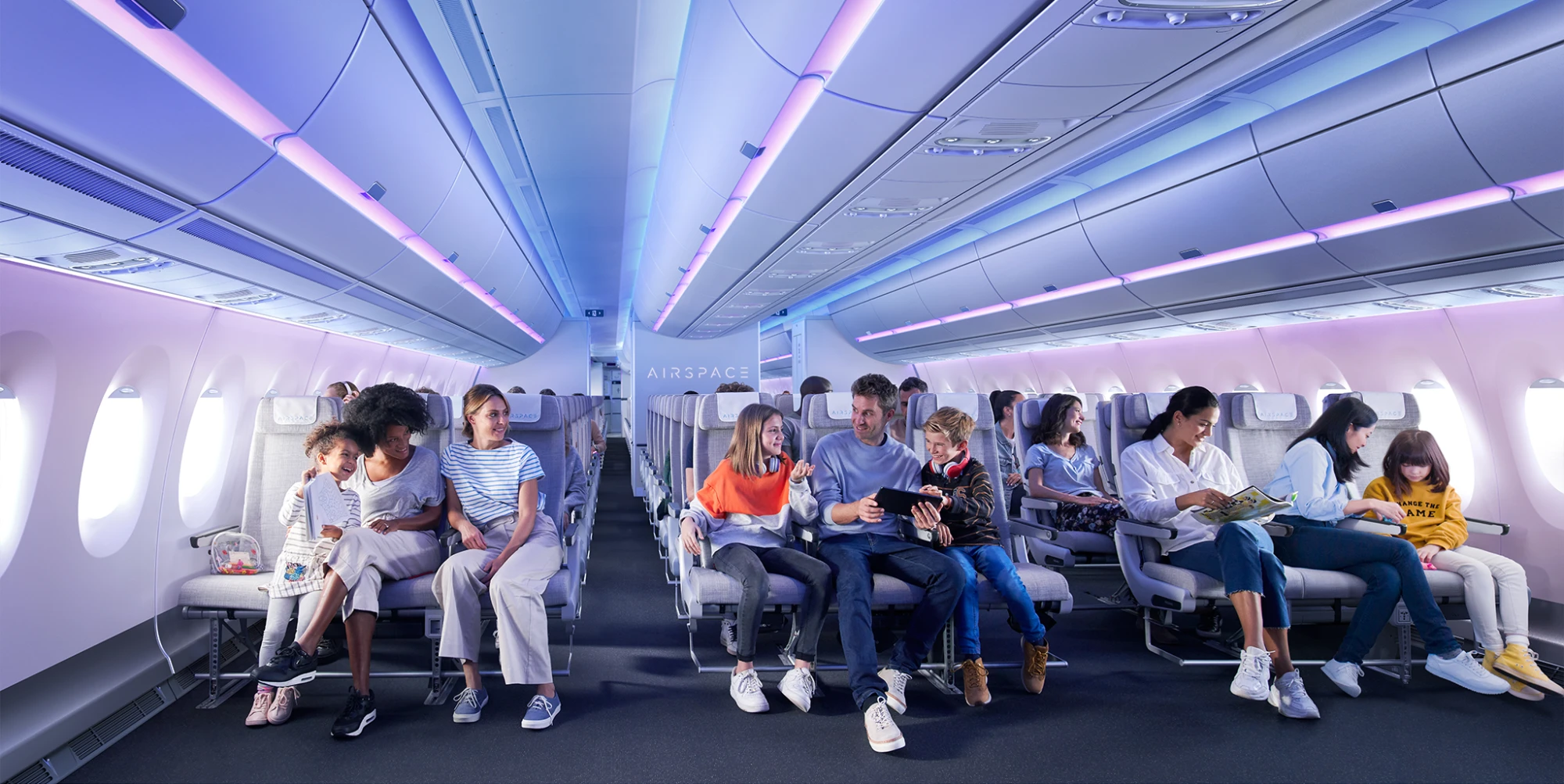
Engines provide not only thrust, but also air, pressure, heat, and cold—ensuring safety and a pleasant climate in the cabin.
More than just thrust – how engines ensure cabin comfort
©Airbus SAS 2022 - Dominik Mentzos - Taylor James
What would an aircraft do without engines? One thing’s for sure: It wouldn’t fly. But modern jet engines achieve far more than just propulsion. They brake during landing, supply the cabin with air and heat, generate electricity for the avionics, and drive hydraulic systems. In other words, they are the power backbone for flight operations—performing functions that are essential to safety, comfort, and efficiency. This installment looks at how bleed air from the engines keeps the cabin climate safe and pleasant.
- More than just thrust – how engines brake
- More than just thrust – how engines ensure cabin comfort
- More than just thrust – how engines provide electricity
- More than just thrust – how engines control hydraulics
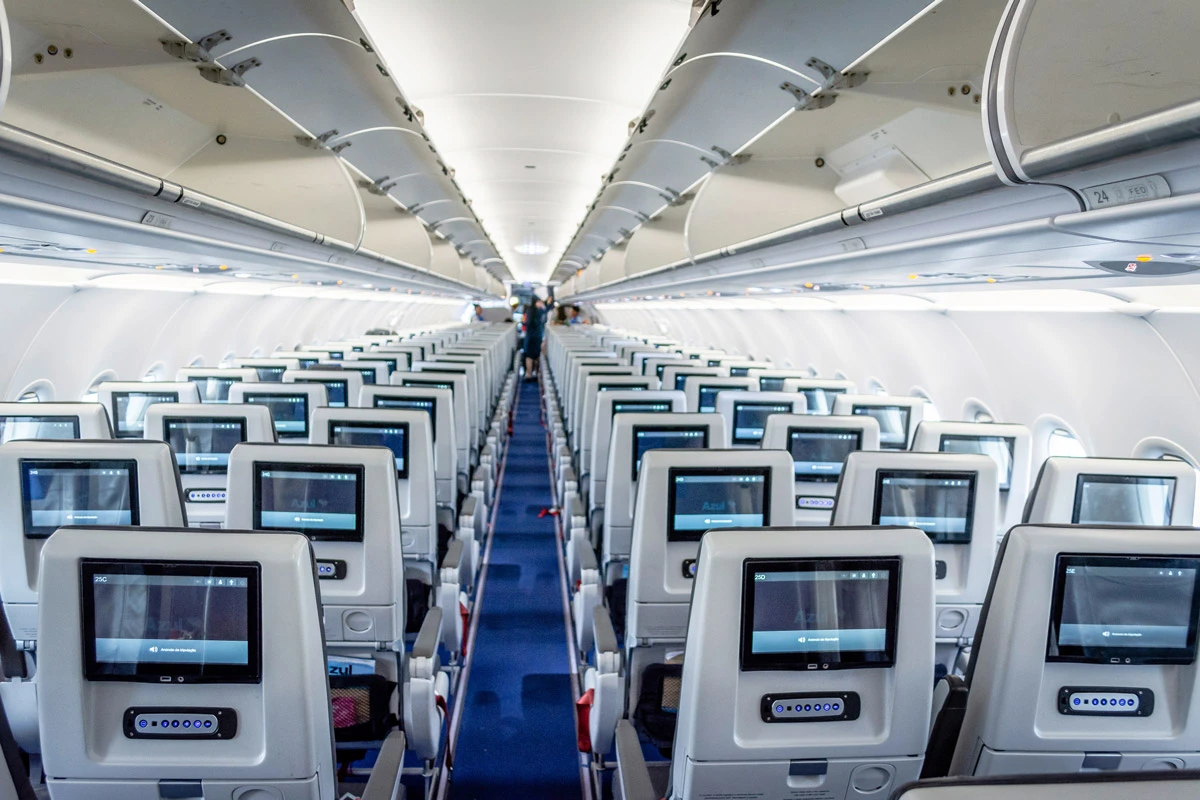
The higher up in the Earth’s atmosphere, the lower the air pressure—and thus also the oxygen partial pressure. There are two ways for people to survive at high altitudes: either by increasing the oxygen content of the air they breathe, or by maintaining a cabin pressure that corresponds to the air pressure at lower altitudes. Commercial aircraft use this second option.
“In jet aircraft, the air pressure is usually equalized using bleed air taken from the engine compressors,” explains Christopher Simson, MTU engineer in predesign for commercial and military programs. He puts it simply: “The aircraft manufacturer specifies the mass flow required at various pressure levels—and we make sure that the correct amount of air can be bled off between two suitable compressor stages.”
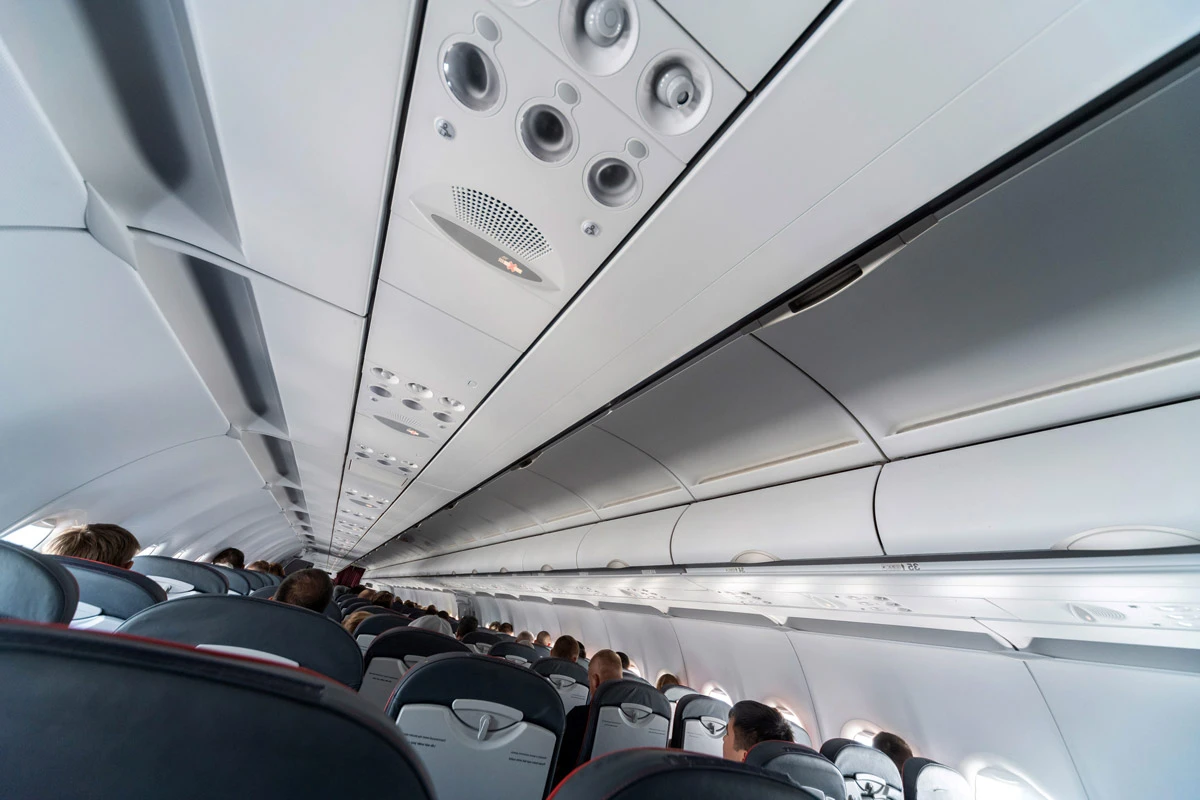
The compressed air extracted in this way is fed into the environmental control system. Since the bleed air temperature is several hundred degrees Celsius, it is cooled via heat exchangers. In older commercial aircraft, the cabin pressure usually corresponds to an altitude of around 2,400 meters. In modern long-haul airliners such as the Airbus A350 or the Boeing 787 Dreamliner, the cabin altitude is around 1,800 meters, which improves passenger comfort. Controllable outlet valves in the aircraft fuselage keep the cabin pressure constant.
The engines also heat the cabin
An aircraft’s environmental control system is closely linked to its air conditioning system. Above an altitude of around 11,000 meters, the outside air temperature is a constant -56.5 degrees Celsius. Without heating, it would be far too cold for people on board. But at the same time, sunlight entering through the windows often heats up the cabin.
That’s why aircraft feature two redundantly designed air conditioning systems to reliably regulate the temperature on board. Heating involves passing the hot bleed air through a heat exchanger, where it heats the cabin air. Cooling depends on what is known as the air cycle machine. In flight, this is driven by bleed air; on the ground, the auxiliary power unit in the rear takes over this task. As the air expands within the air cycle machine, both its pressure and its temperature fall. If the air in the machine is colder than the cabin air, it can be added directly for cooling.
Deicing: Melting ice with hot air
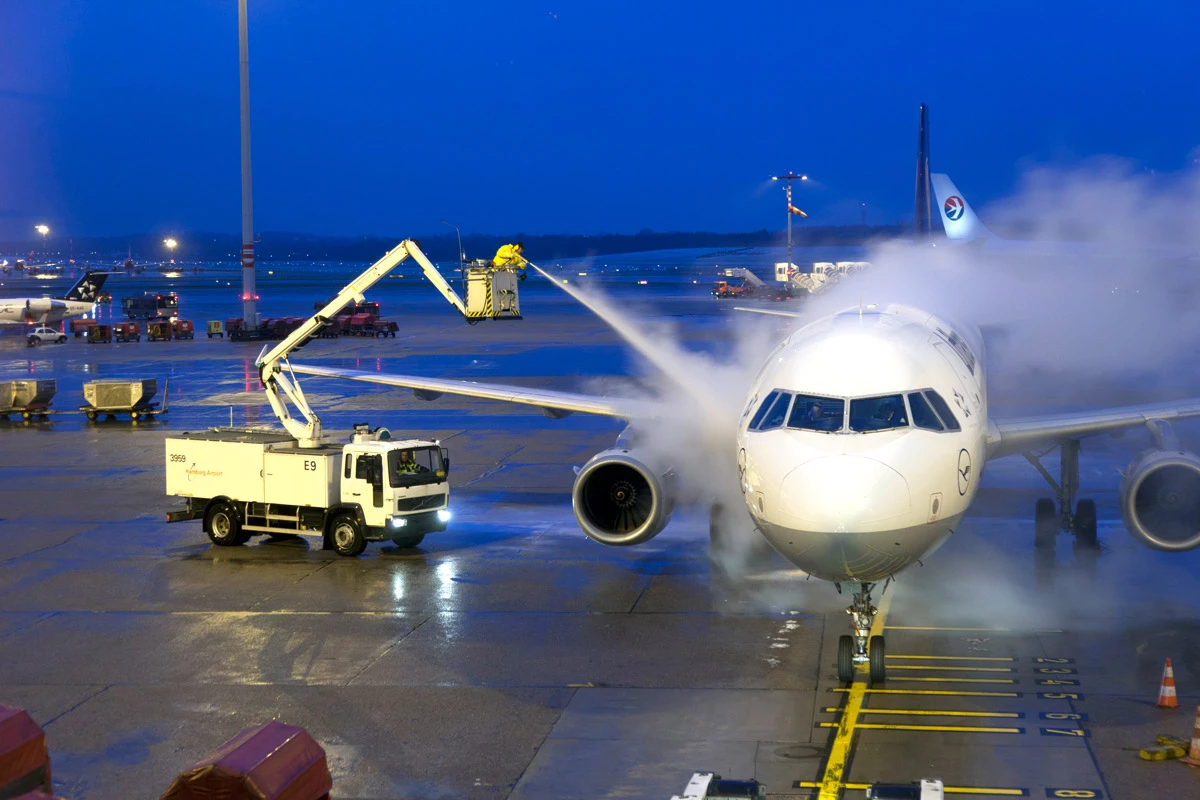
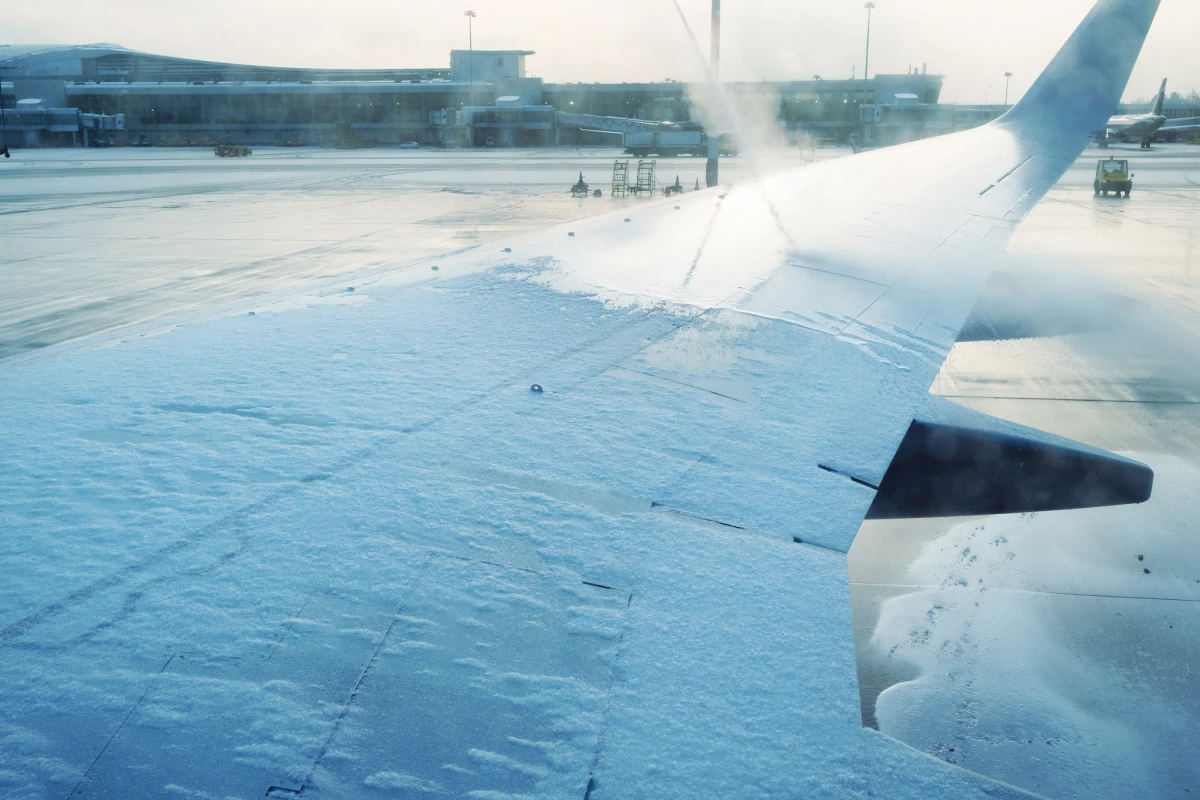
Snow and ice increase an aircraft’s weight and can dramatically impair its aerodynamics. That’s why, when necessary, passenger aircraft are deiced before takeoff. Since it isn’t possible to drive a deicing truck with a swivel arm and spray nozzle alongside the aircraft once it’s up in the air, though, hot bleed air from the engines is the more practical option in flight. Bleed air is used to heat areas susceptible to ice such as the nacelles, the leading edges of the wings, and the landing flaps.
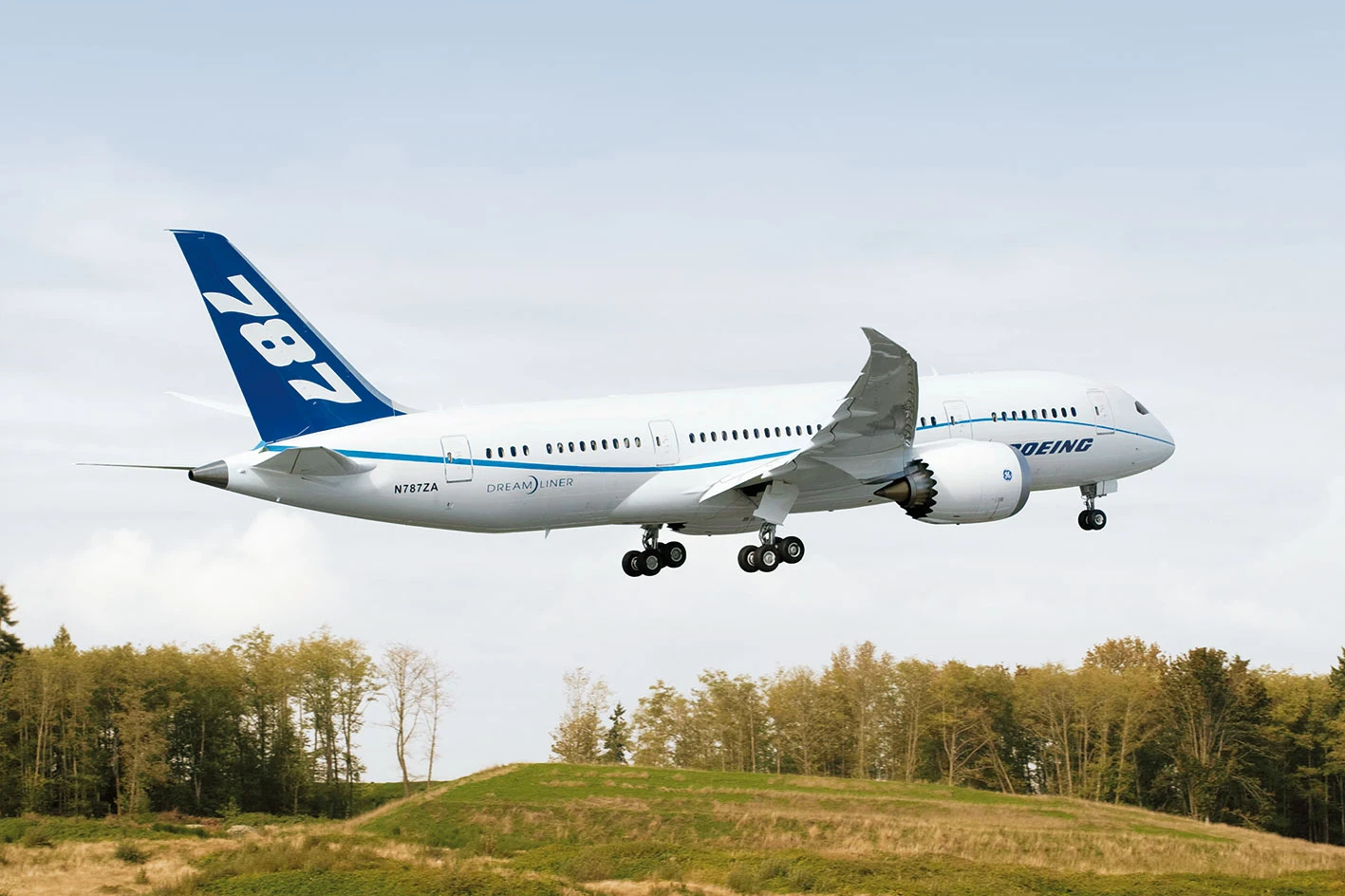

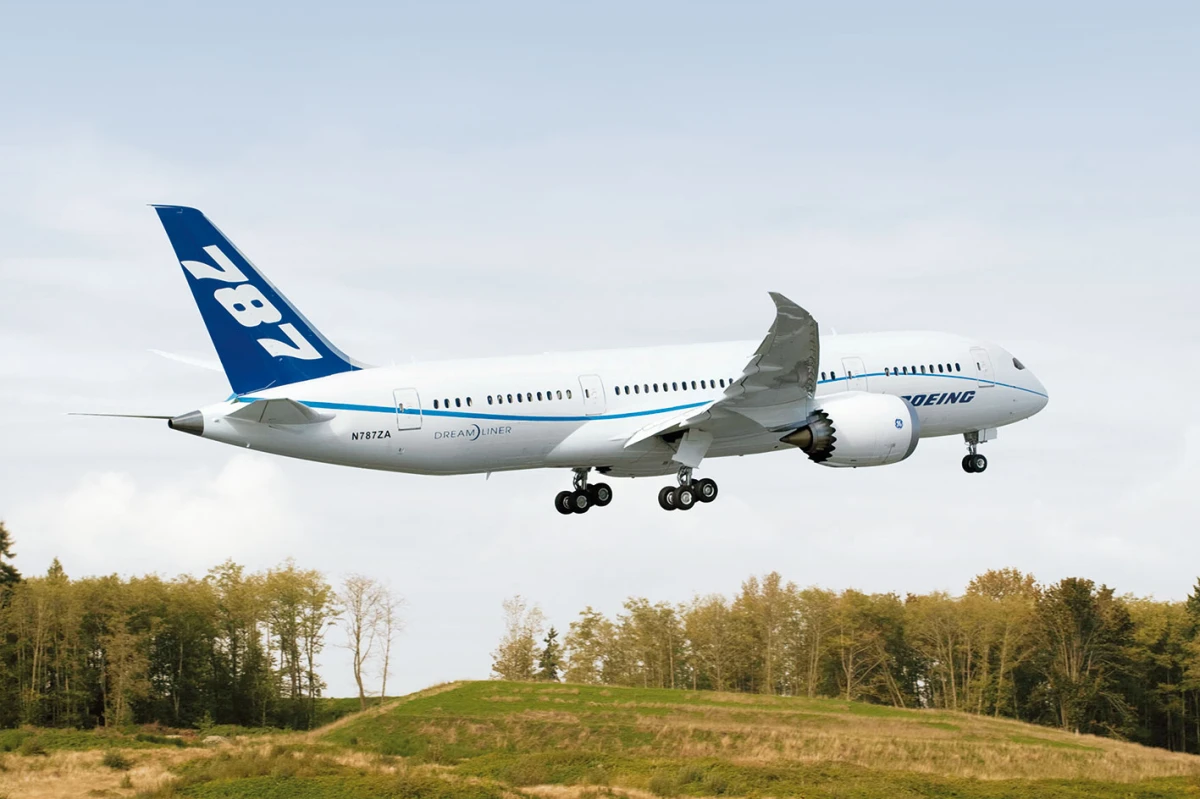
Boeing’s Dreamliner has no need for bleed air
The Boeing 787 Dreamliner is the only large passenger aircraft that doesn’t use bleed air at all. The principle here is that power from the engines should be used exclusively for propulsion. “This also tends to simplify the engine design, as no additional outlets for bleed air are required,” Christopher Simson explains. Instead, Boeing relies on electrically powered compressors to provide the air needed for pressurization and air conditioning systems. This solution does involve additional weight and higher maintenance costs, however. Deicing is another area where the Dreamliner takes a different approach: Heating mats in the leading edges of its wings do the job that hot bleed air does in other aircraft.